Toi Toy

Toi Toy

An Invitational Exhibition by Various Artists

Opens 11am Saturday 6th September

Open to 9th October 2014

VillageArts_ToiToy_Flyer_Web

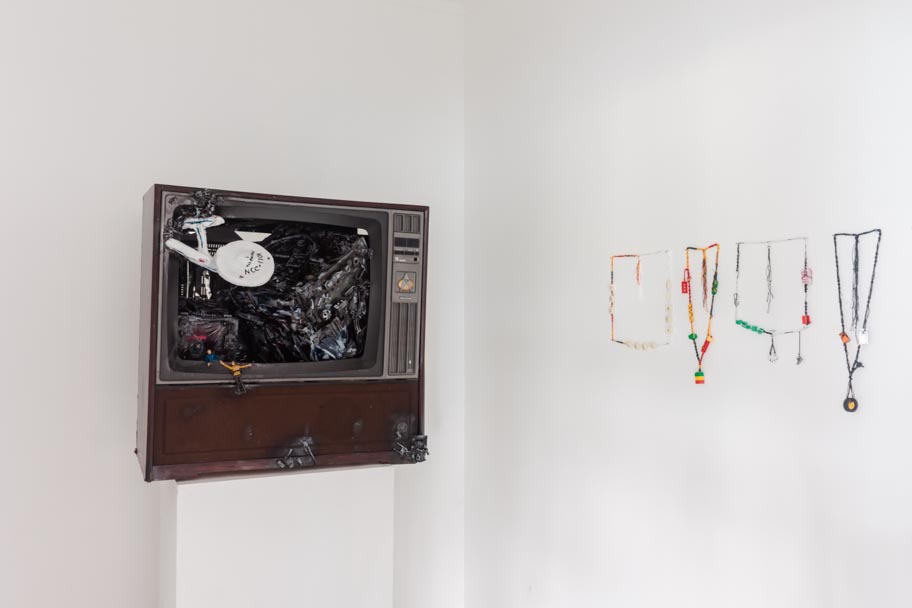
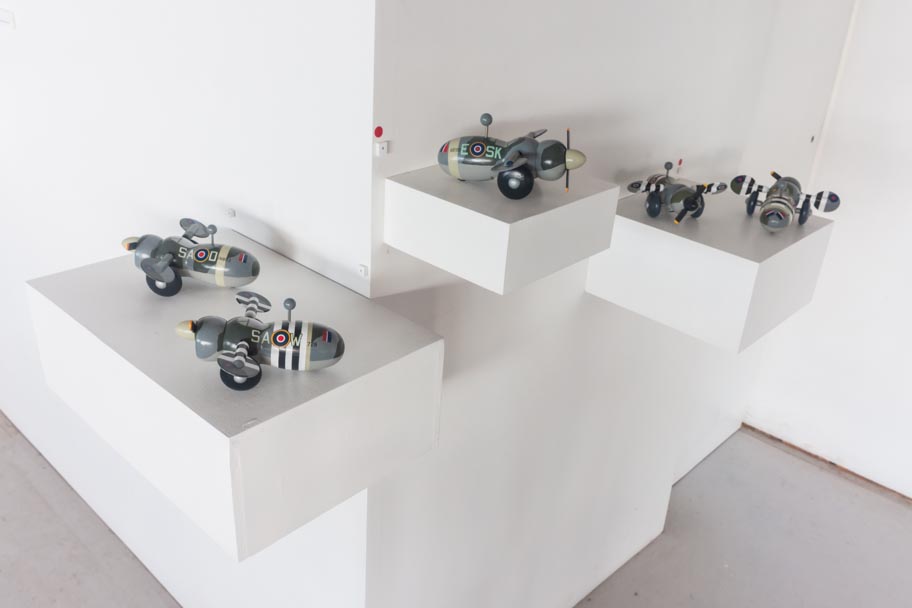
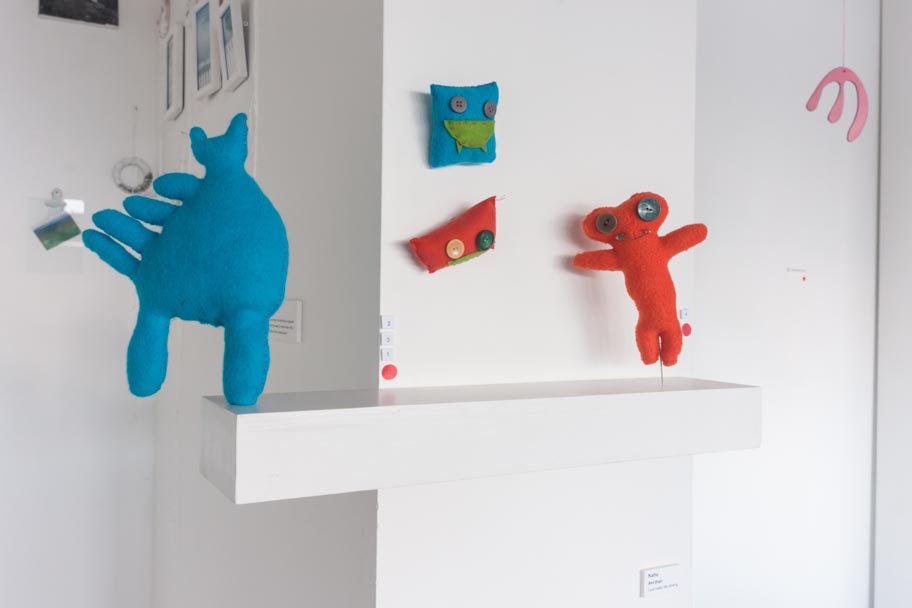
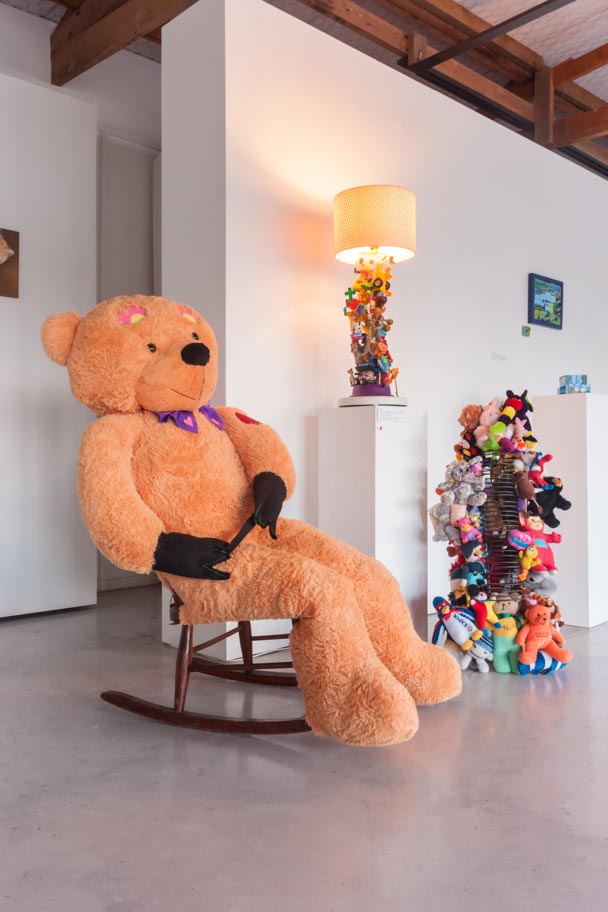
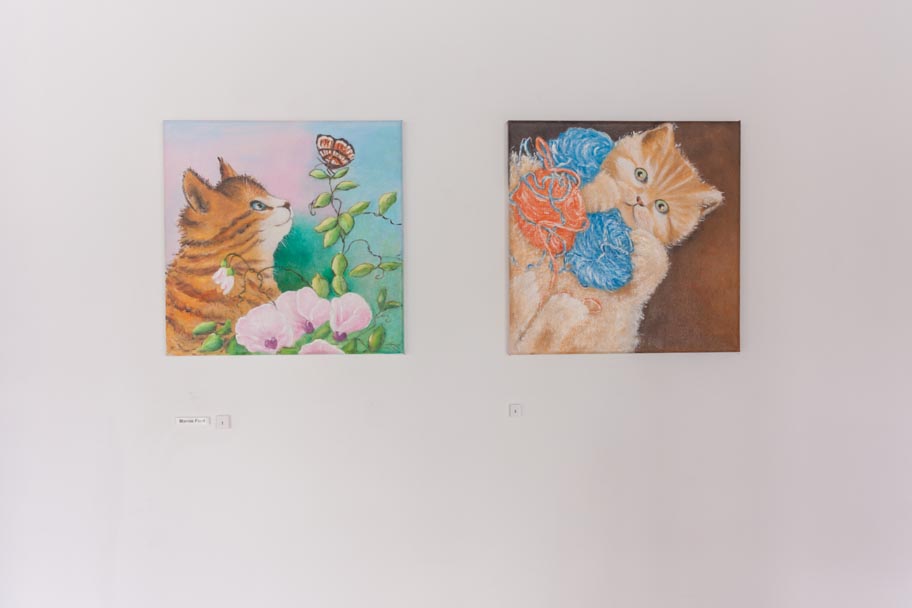
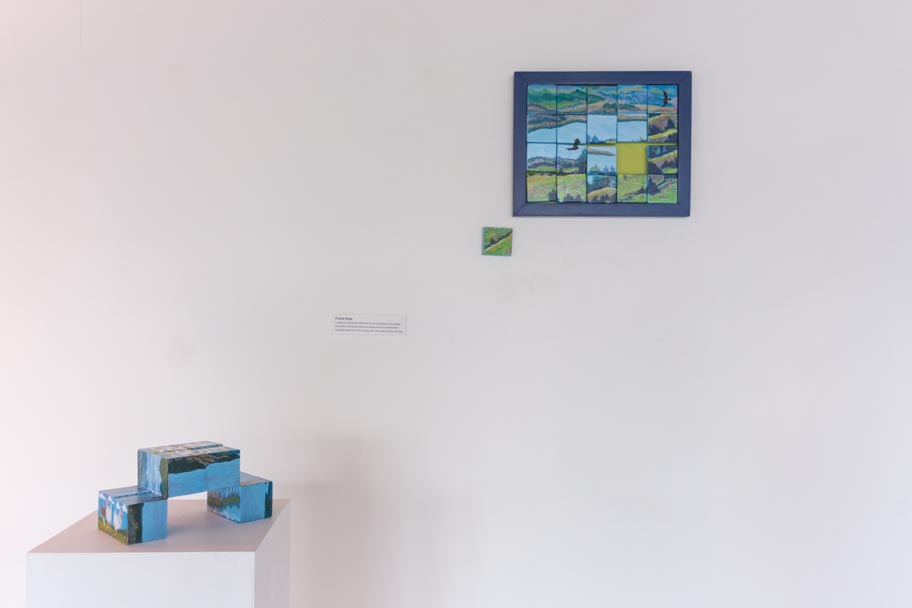
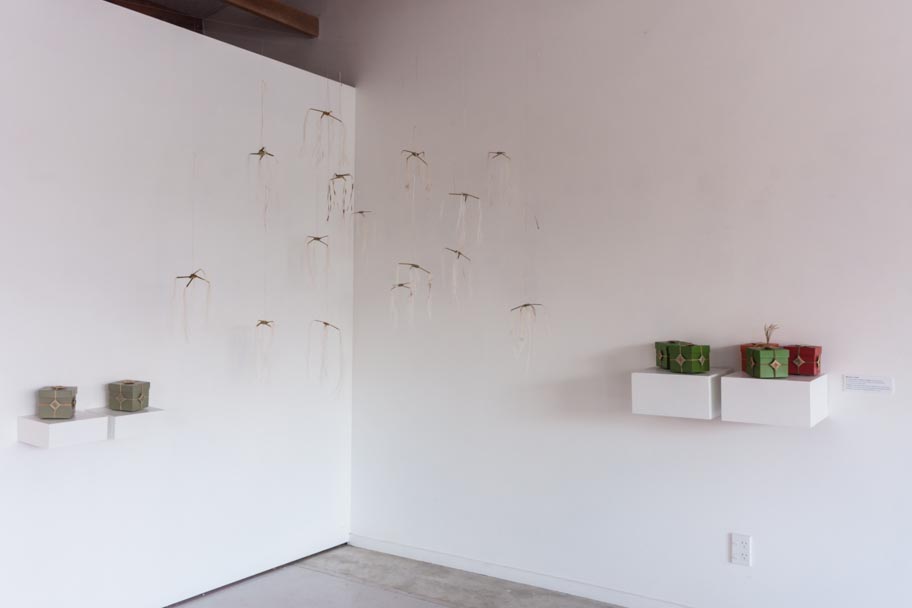
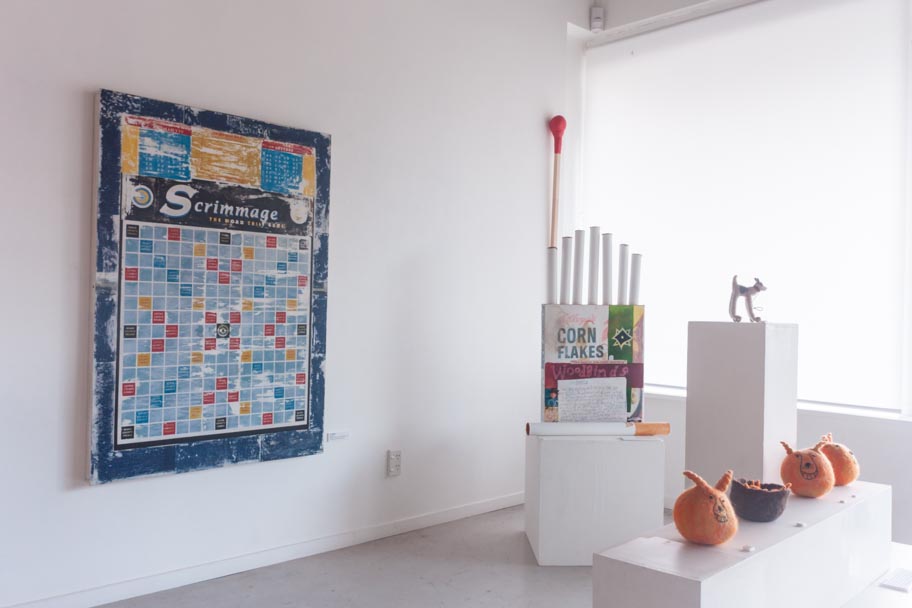
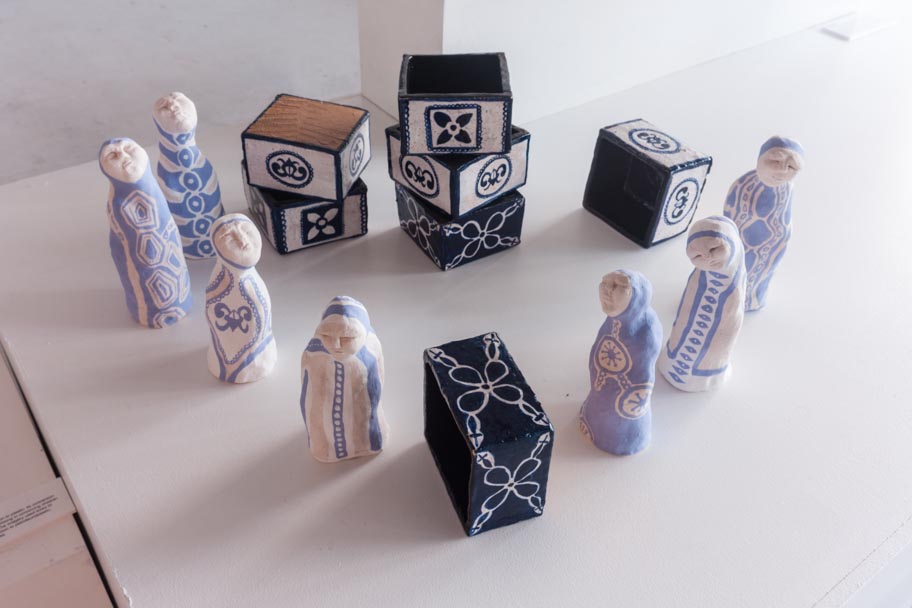
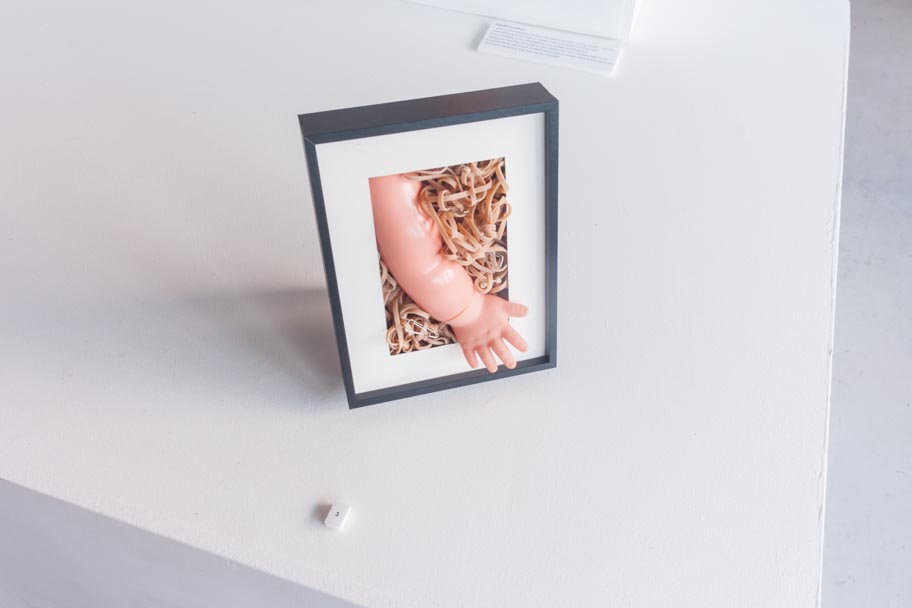
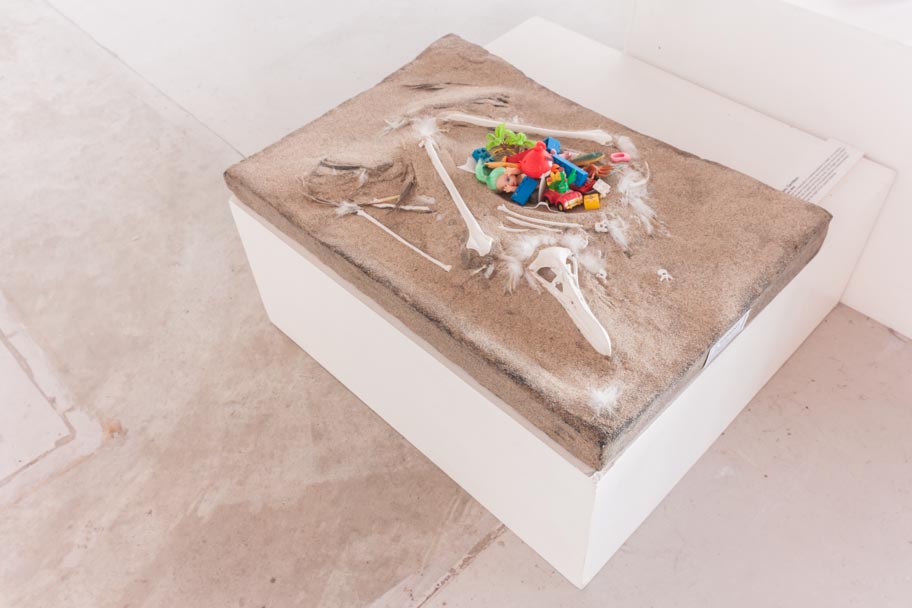
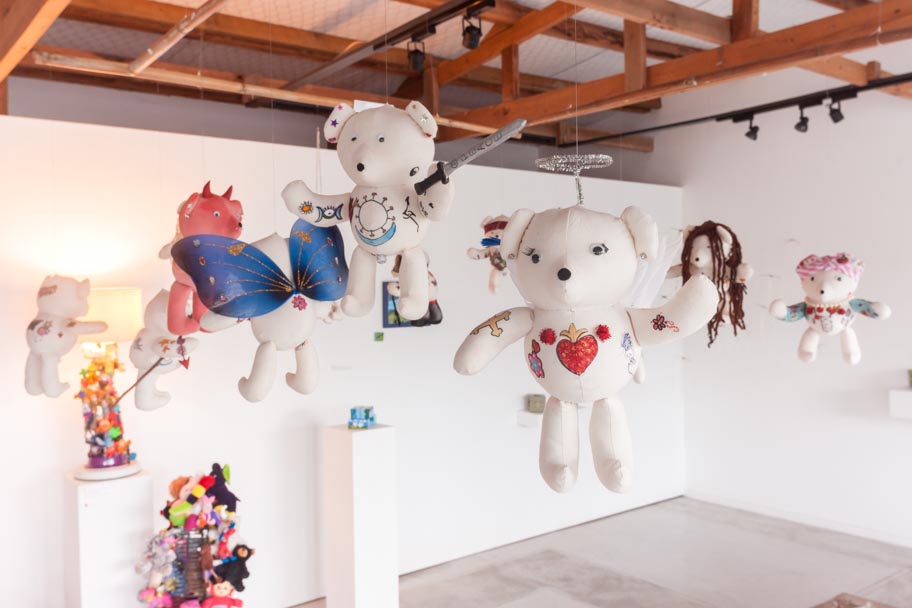
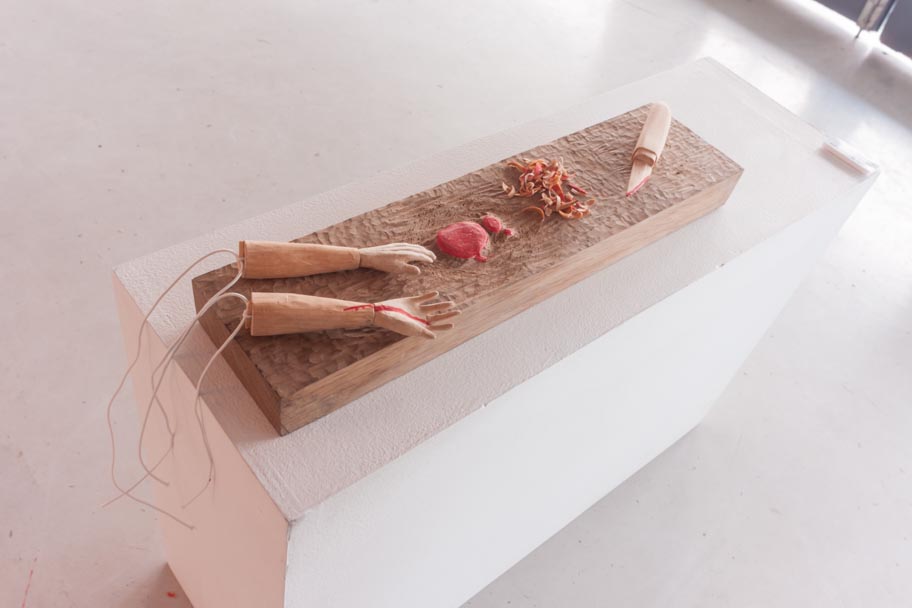
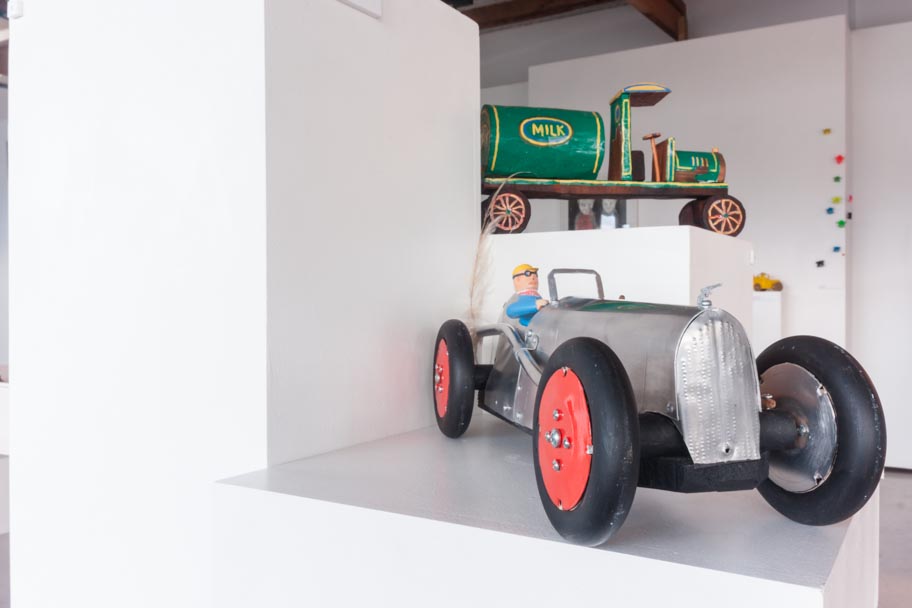
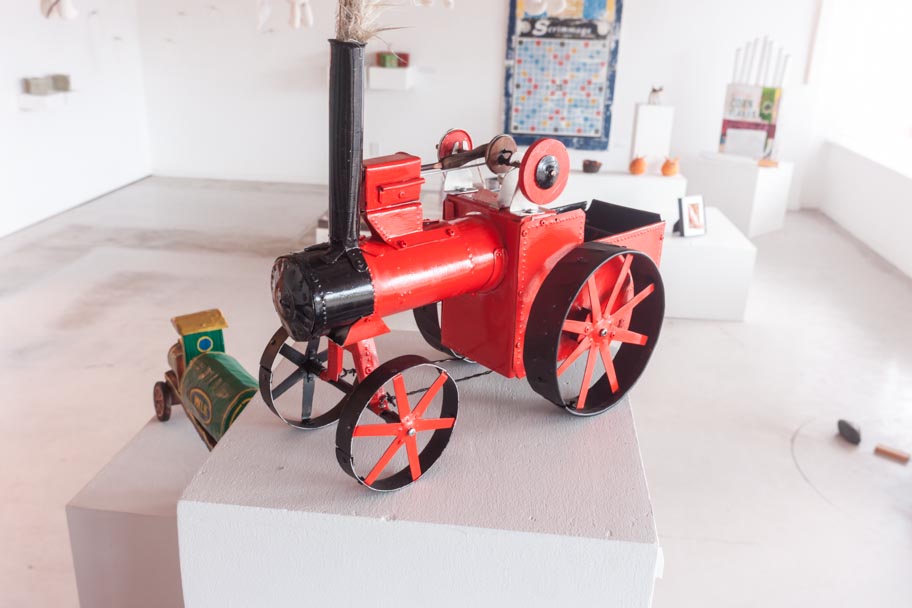
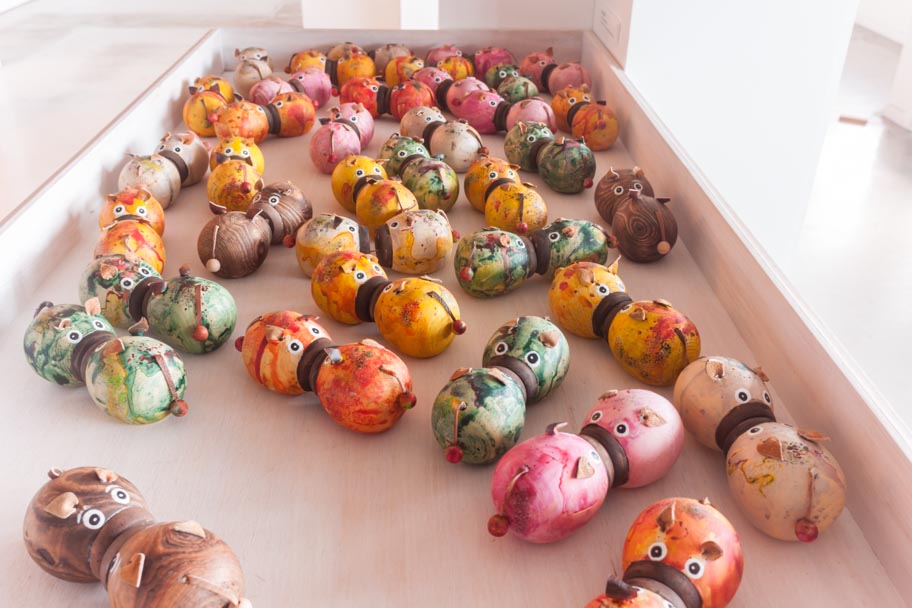
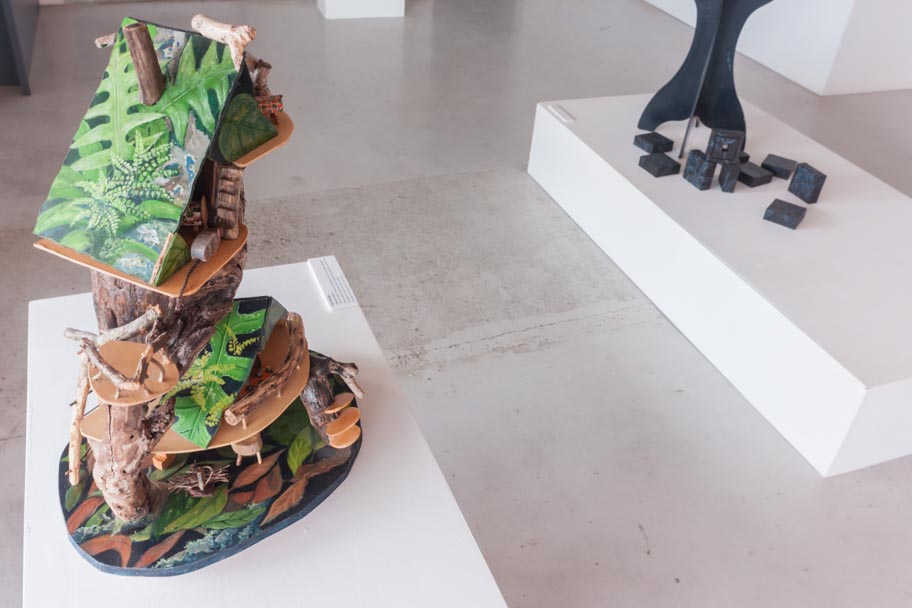
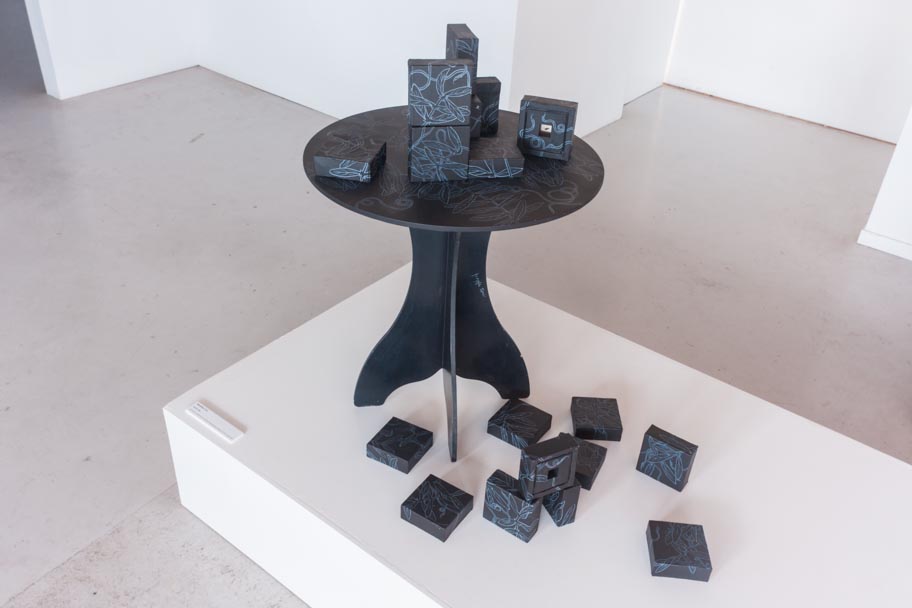
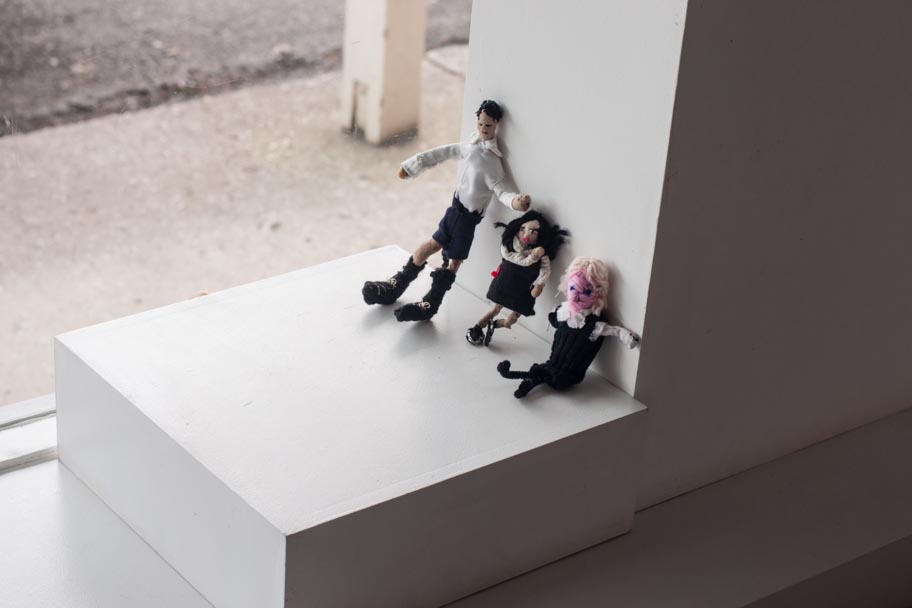
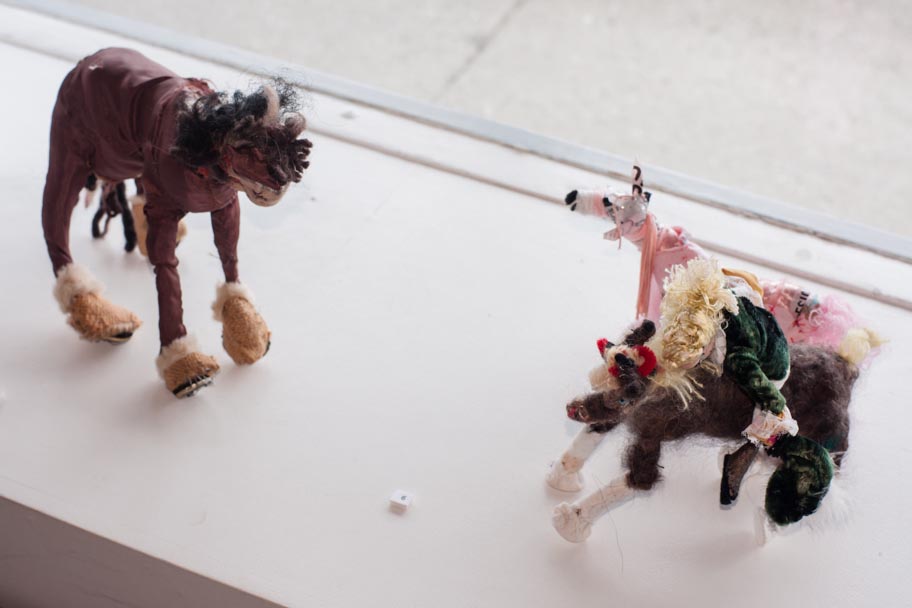
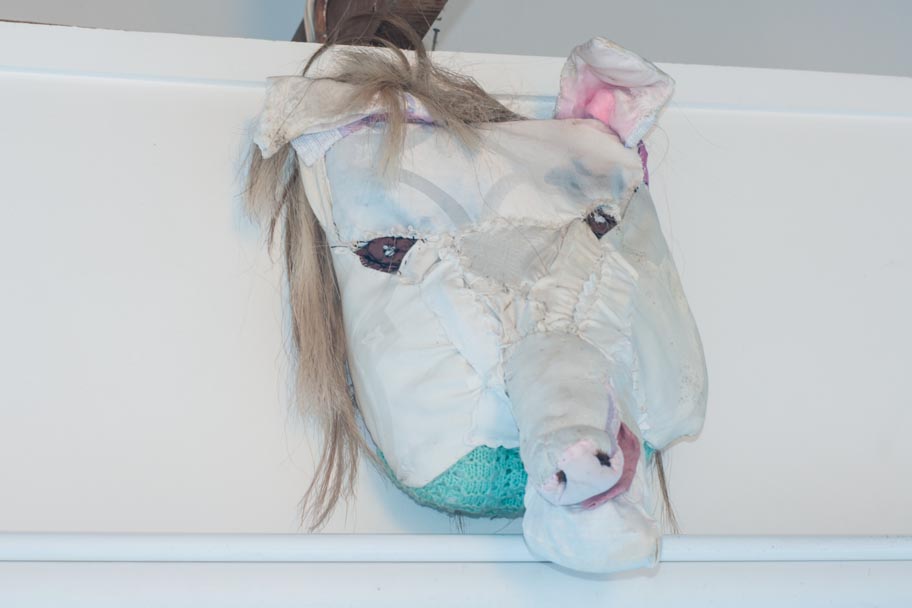
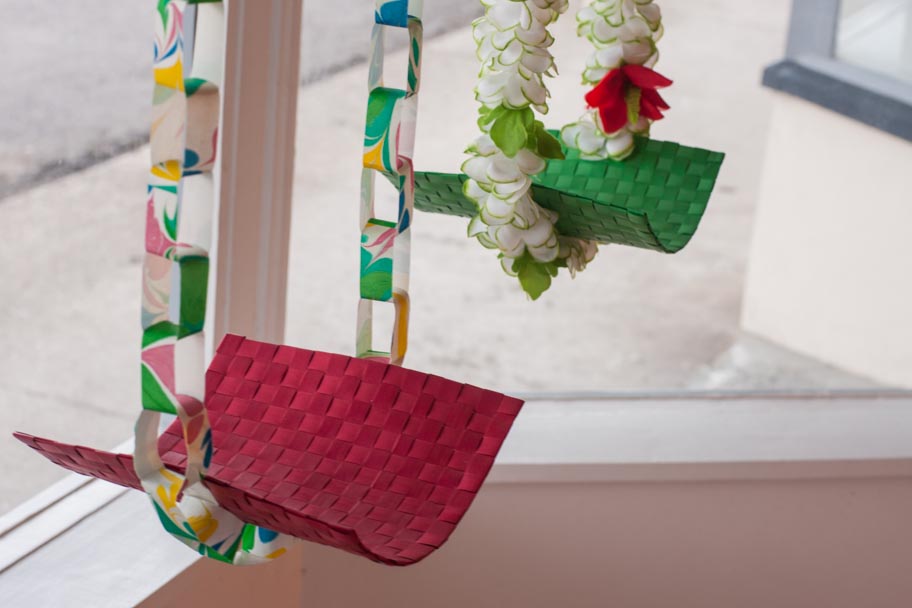
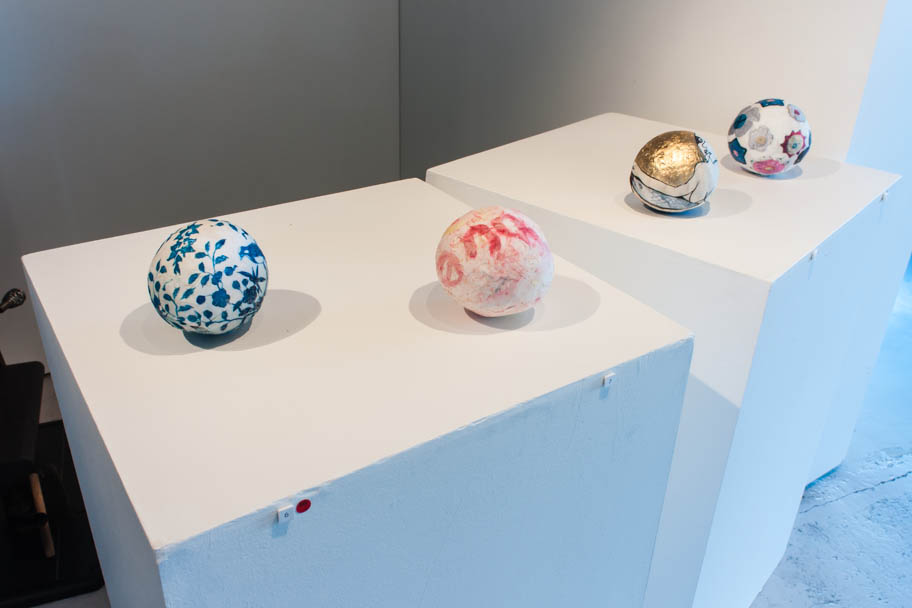
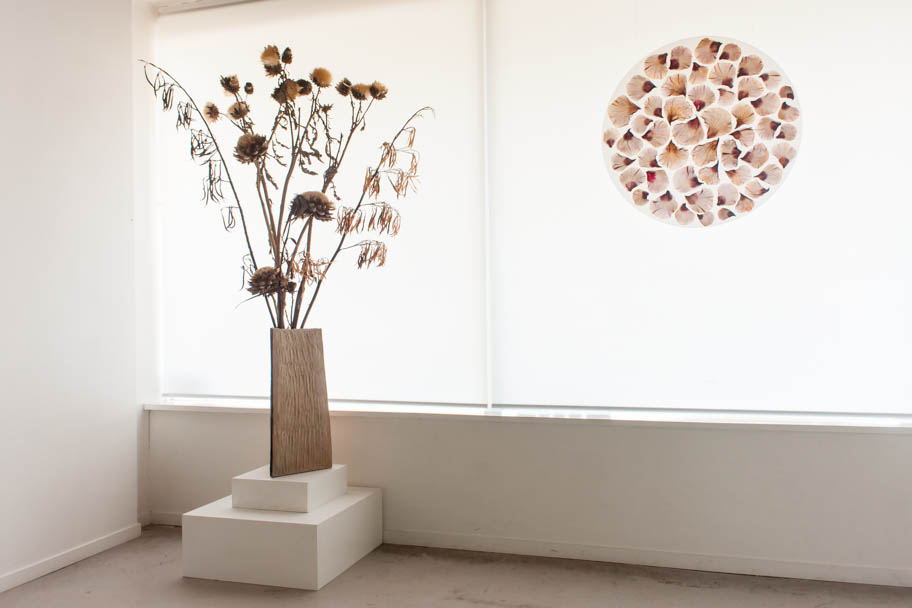
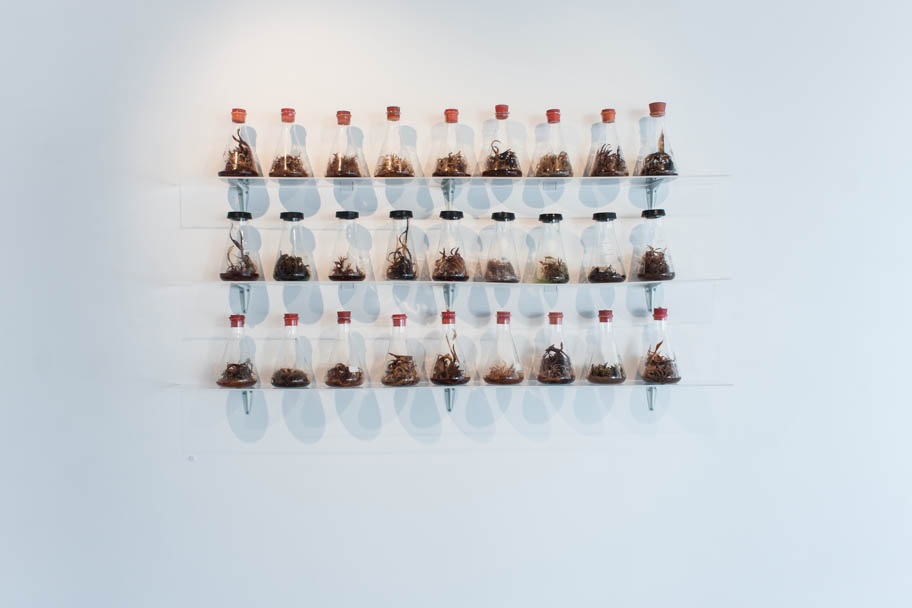
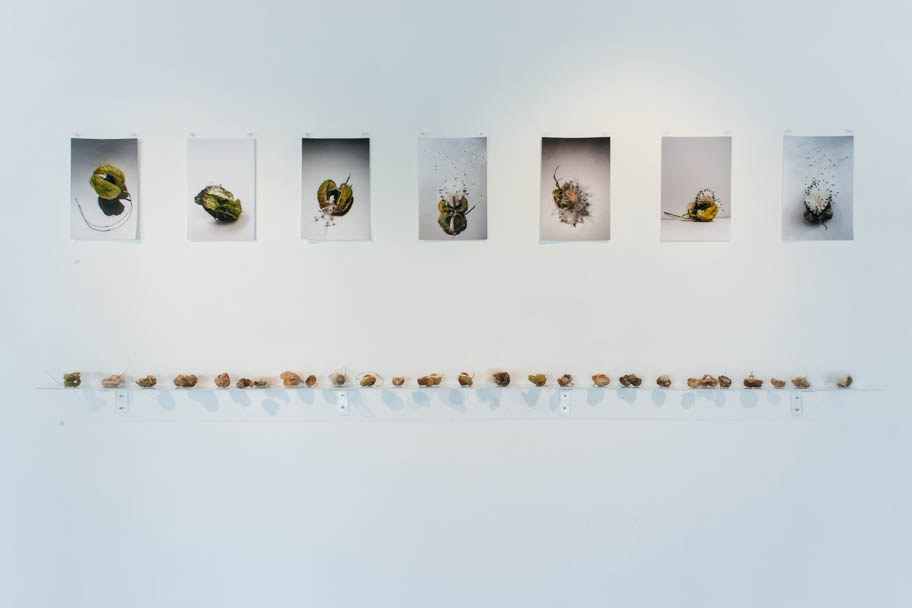
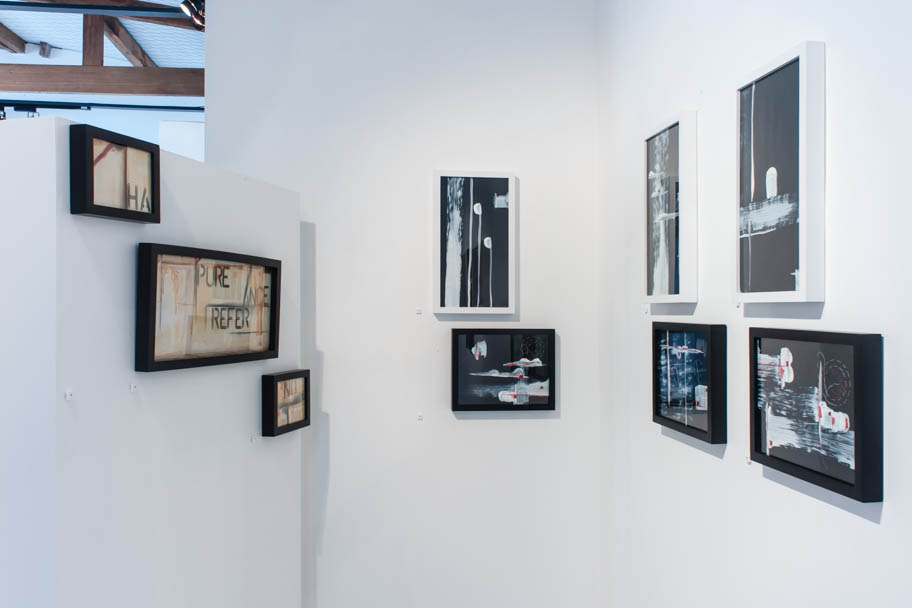
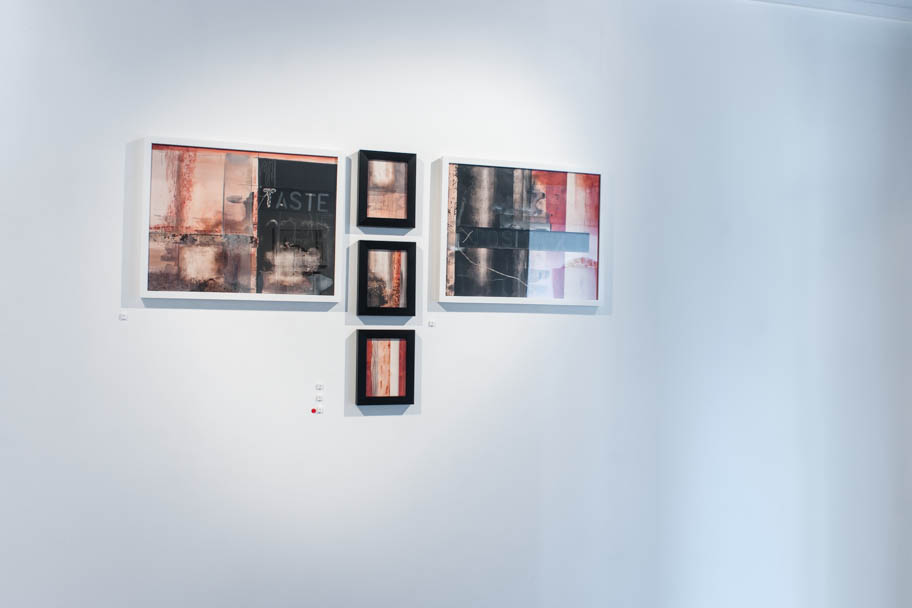
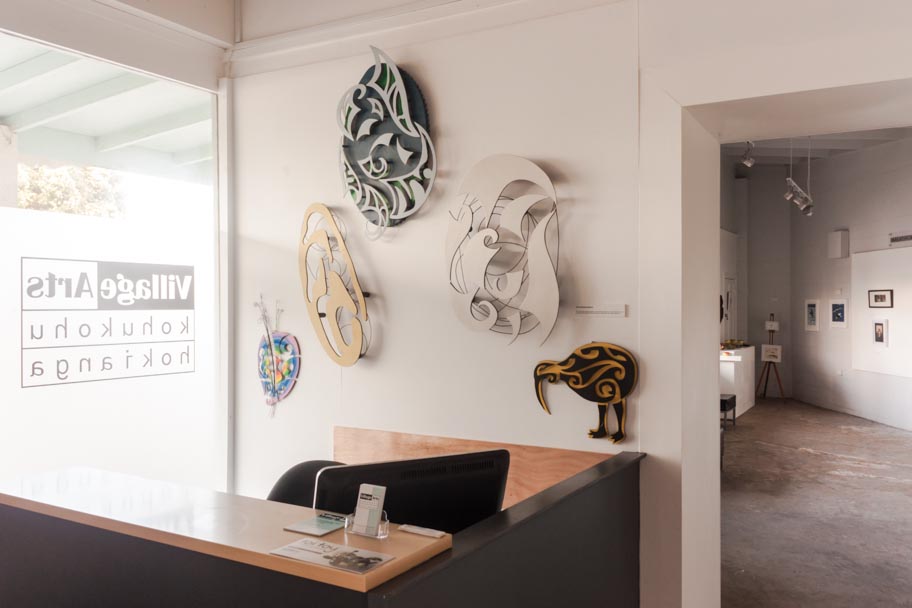
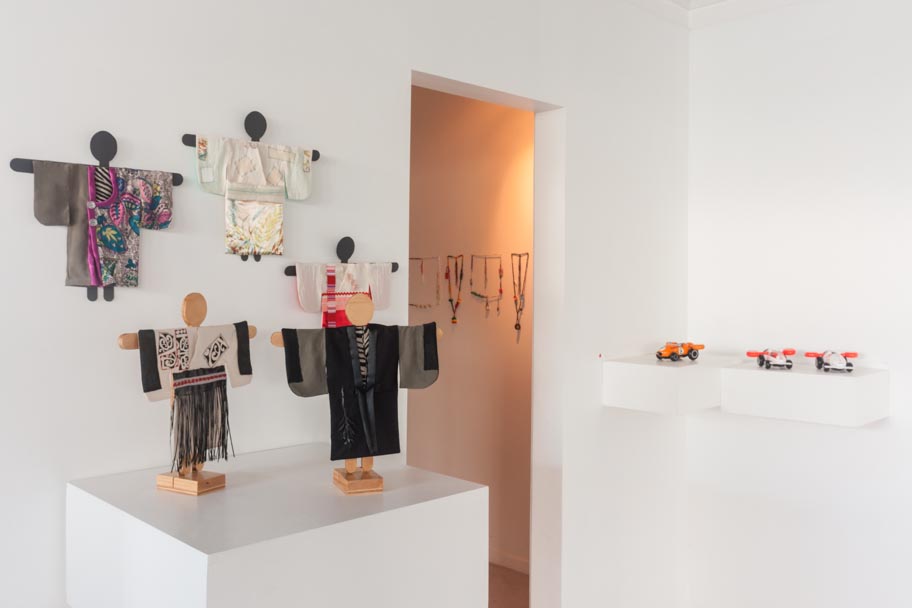
What happens when you blend the innocent and playful world of toys with the interpretive and often challenging realm of contemporary art? Toi (Art) and Toy (Play) are both immensely important, universal aspects of human life and closely related.

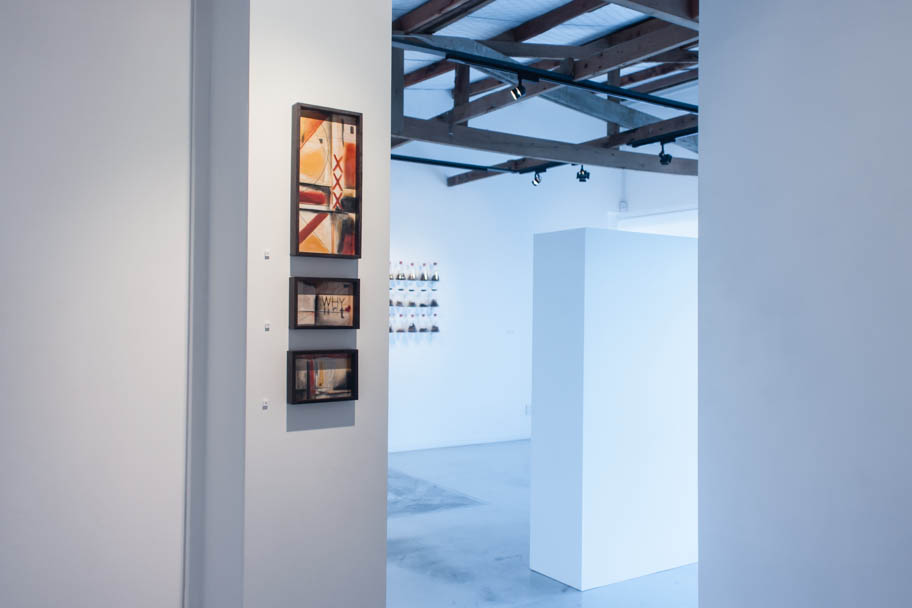
Village Arts gallery in Kohukohu invites a sizeable number of artists from Hokianga and beyond to investigate this conjunction for their major exhibition of 2014 entitled Toi Toy opening on Saturday 6 September.

“Such a content merger is certain to excite artists and we had a tremendous response to our invitations.” says Lindsay Evans, co-­curator of Toi Toy exhibition with brother Phil Evans, both Village Arts trustees. “However, the potential for contrast and juxtaposition implied in the title may be far from comfortable at times.” “The exhibition brief allows artists to investigate both ‘Toy’ and ‘Toi’ (Art) in their own way” says Phil. “The outcome is a substantial and thematically related body of work, everything from fusion through strong to tenuous connection – a heavy focus on one aspect or the other – with many stimulating, some breathtaking and even one or two ‘laugh out loud’ funny works of art.” “Toi Toy is for children of all ages but it isn’t a children’s exhibition,” adds Lindsay, “some of the work is quite provocative”.

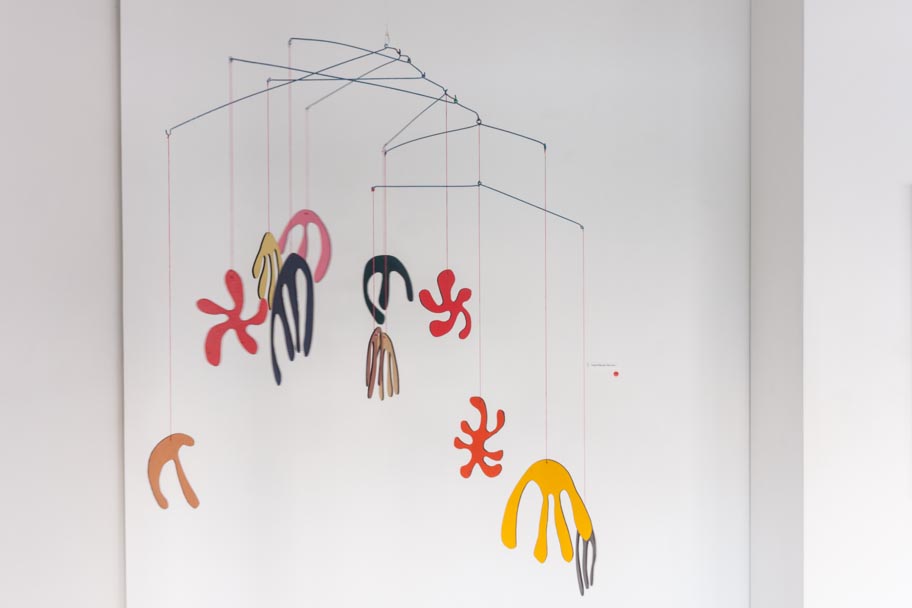
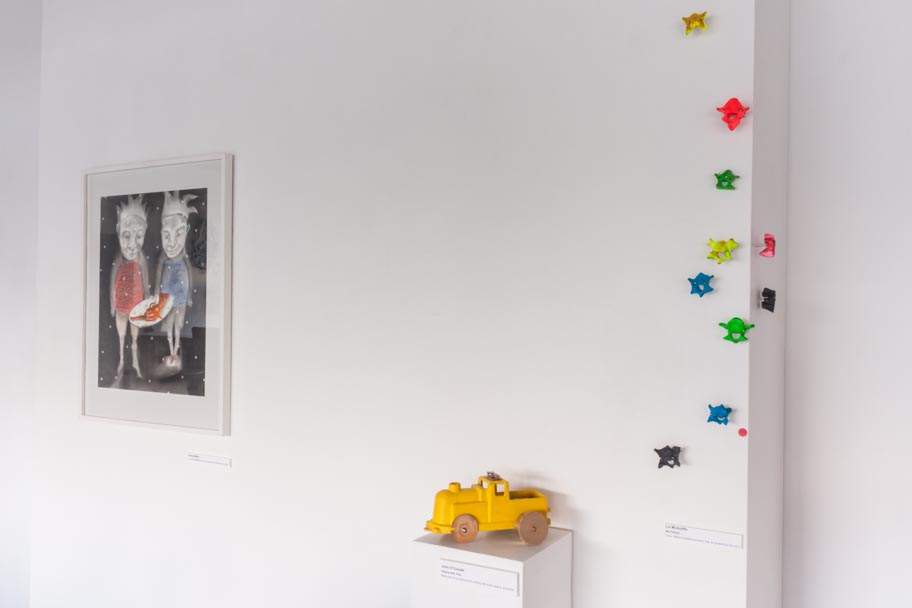
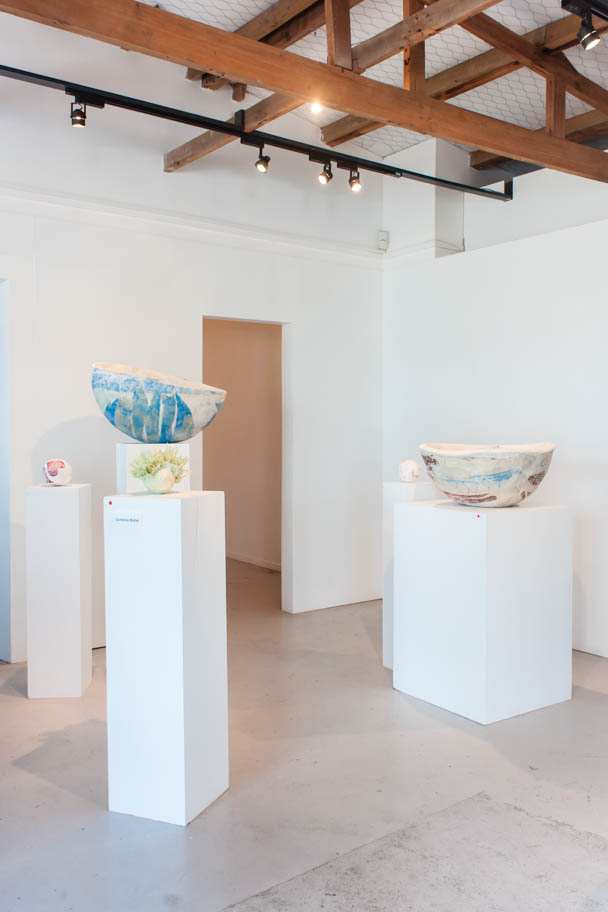
As might be expected the exhibition is heavily object based, although by no means exclusively 3D. Several artists use existing toys while others create their own or derivatives or representations in a wide variety of media.

Toi Toy opens 11am Saturday 6 September for 5 weeks until Thursday 9 October in Kohukohu. The show also celebrates Village Art’s extraordinary nine years of operation.
A Very Sad Affair

A Very Sad Affair

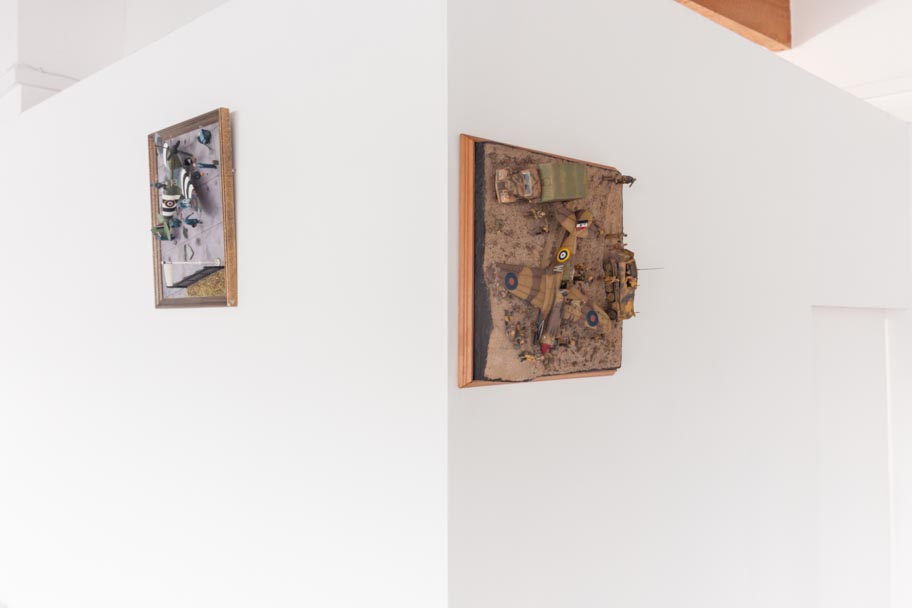
70 year commemoration of WWII, Monte Cassino

Artists:Robin Anaru Anderson, Beverley Cox, Lindsay Antrobus Evans, Wally Hicks, Marg Morrow, Rachel Miller

OPENS 11am Saturday 3 May

Exhibition runs until 4th June 2014

A Very Sad Affair - Exhibition Flyer Village Arts


Village Arts gallery reveals new works by artists Beverley Cox, Rachel Miller, Marg Morrow, Lindsay Antrobus Evans, Wally Hicks, and Robin Anaru Anderson; assembled as a commemorative response to the 1944 battle of Monte Cassino.
During WWII, following Italy’s invasion on 3 September 1943 and capitulation on 8th September, German occupation forces took up defensive positions across central Italy known as the Gustav Line in which Monte Cassino monastery, Cassino township and the surrounding area were an important strategic section. Cassino is ‘the rocky hill’ 130kms South East of Rome, a site of strategic importance that has been sacked a number of times since 581.

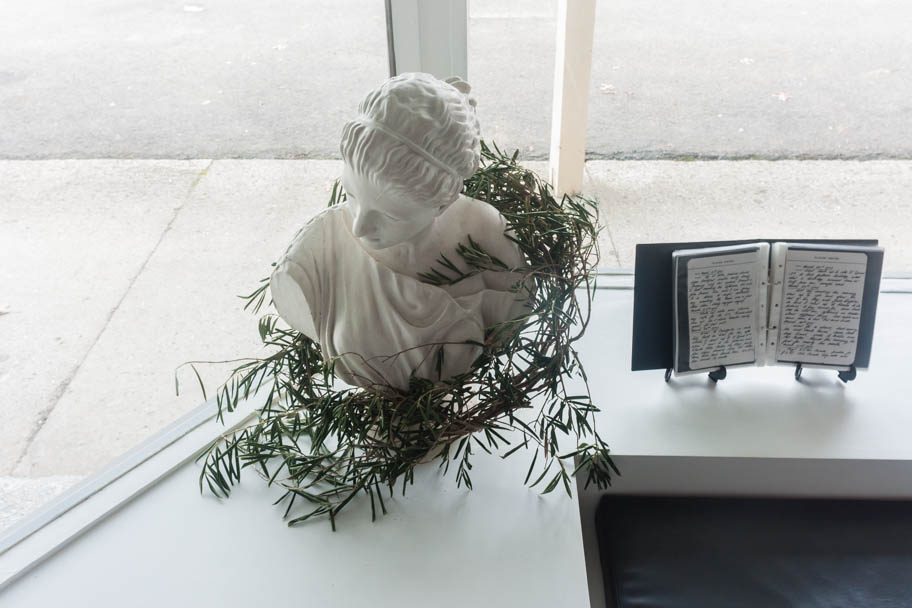
After an introduction to the work and some time spent in the gallery I can assume a better understanding of what was the battle of Monte Cassino, so too an appreciation for the opportunity to share in something as intimate as the wartime journal entries of Cox’s father, of which Cox’s mixed media paintings are based and the idea for the exhibition conceived. I consider every stroke of her brush and pen to be one step in a journey with her father, as she reframes his text into her own visual interpretation.
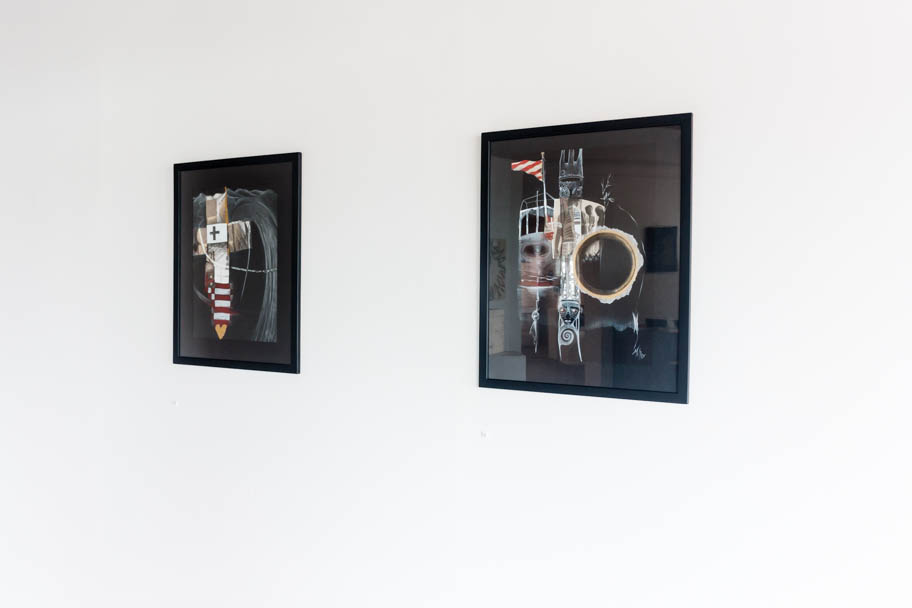
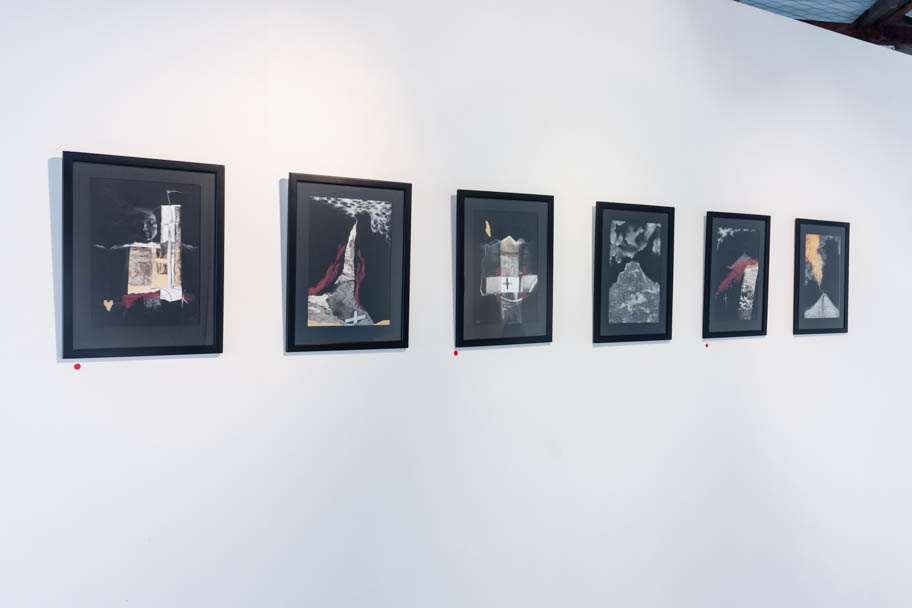
Fine collage drawings by Miller reflect factual accounts of the battle, and serve as tribute to the casualties of war. Her enchanting pictures on black paper suggest a story with a sinister undertone.
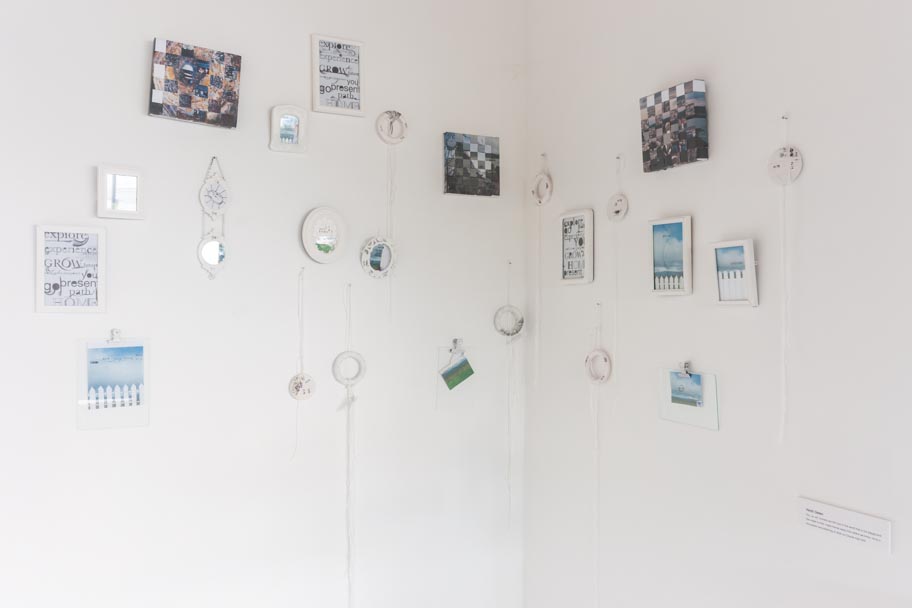
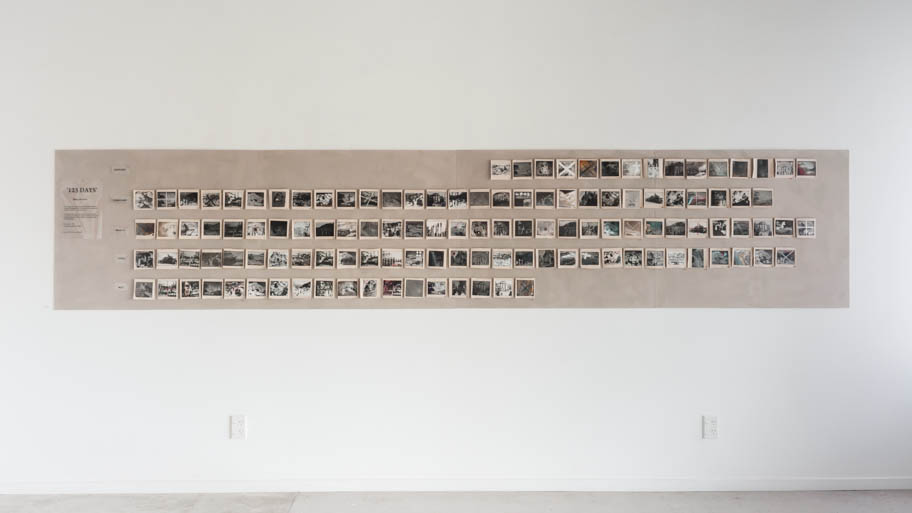
Morrow’s composition of 123 photographic images on canvas tiles; with each applique representing one of 123 grim days of battle are maimed with stitches, burns, tears and blackouts; a memento mori.
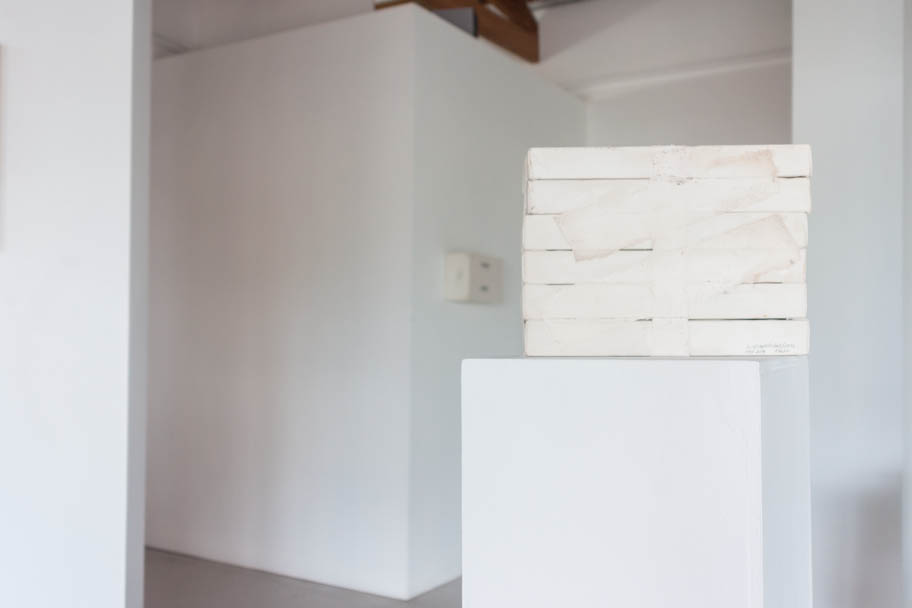
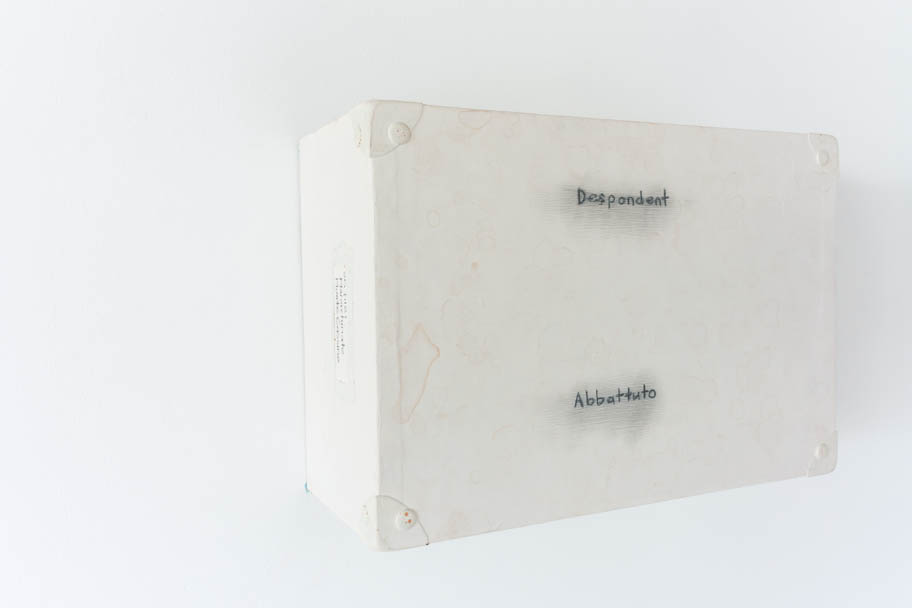
Evans bloody accounts; the incomprehensible numbers; the wounds of ordinance written in bandage and chalk paint on canvas, white and devoid of life. Shells, relics and On Record: ‘a full file box of despondency’ remain.
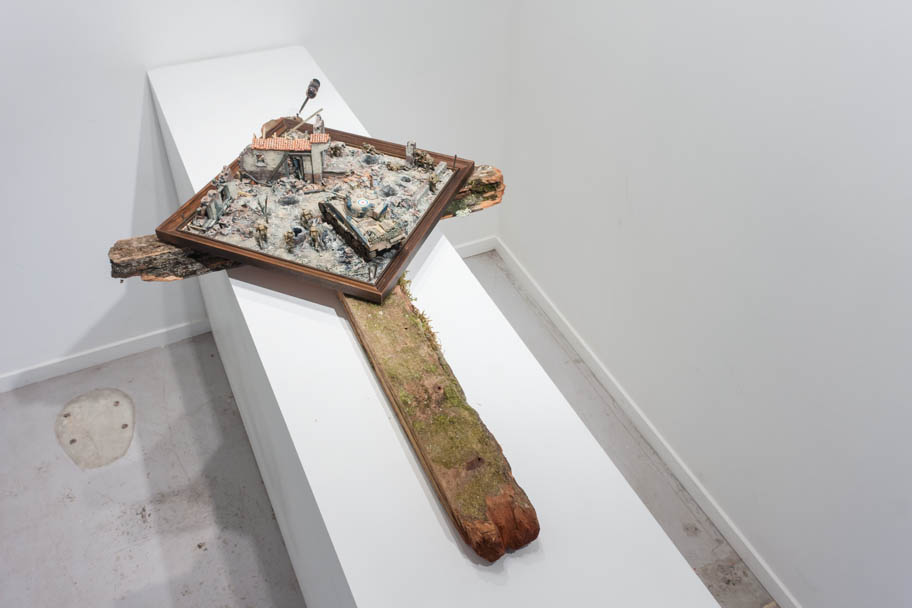
Hicks admits being riddled with both respect and revulsion, commemoration and celebration in his work My Trip. Aptly modelled on the title of Cox’s father’s diary and inspired partly by an entry in it, this is a mini world built from rubble; his intricate makings capture a scene of obliteration and futility, on grounds of crucifixion.

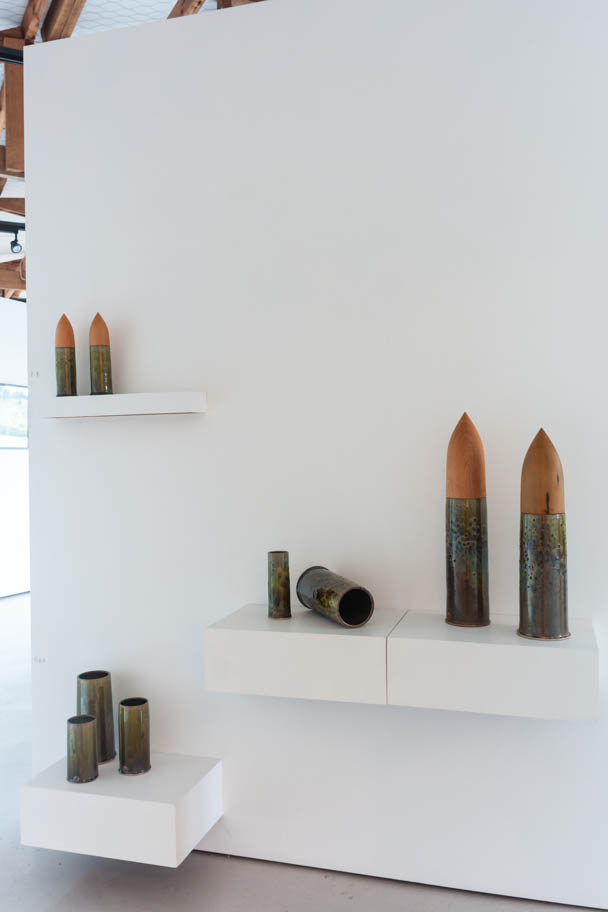
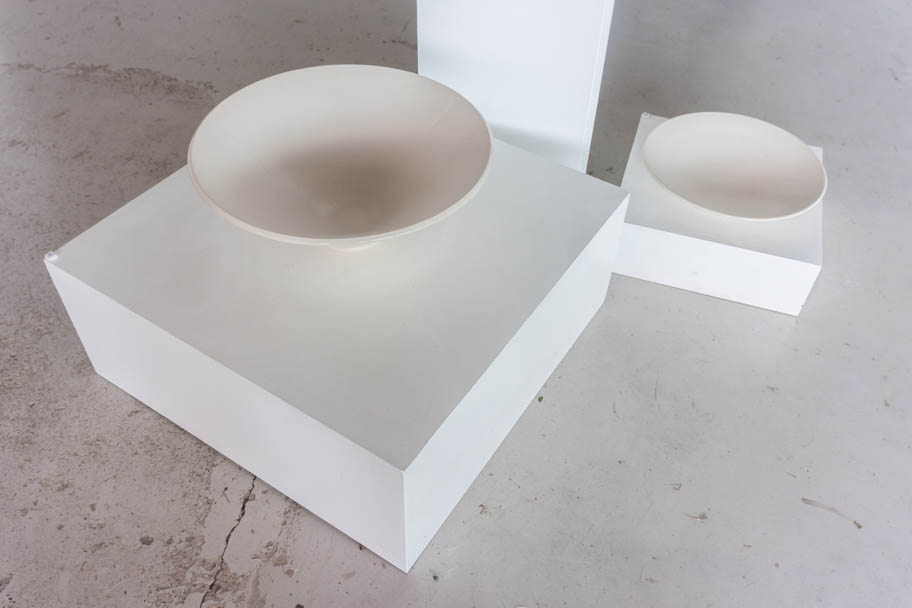
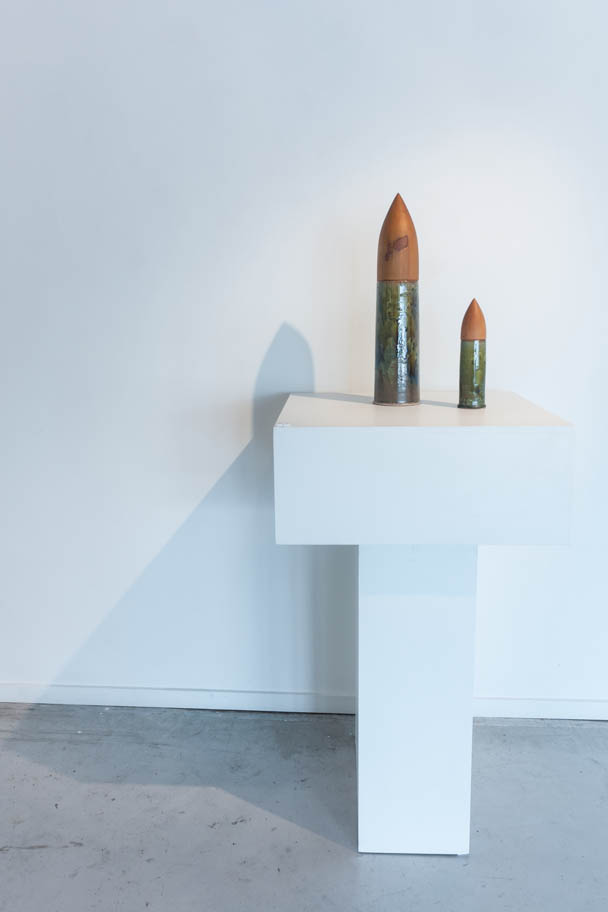
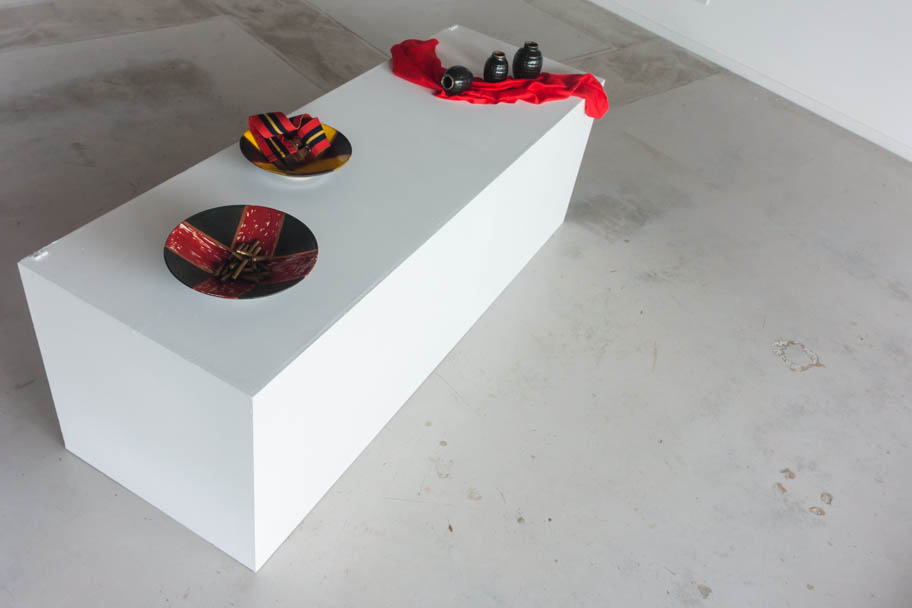
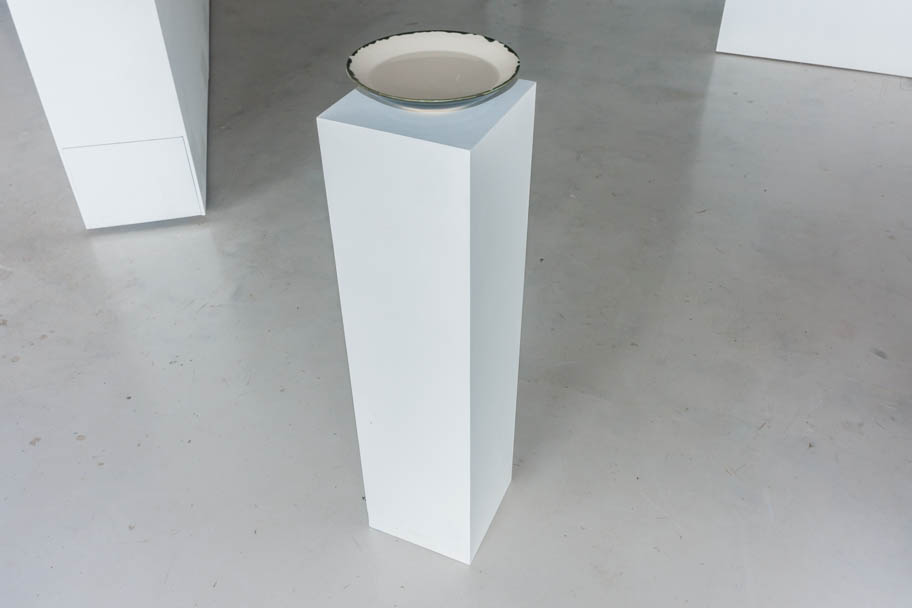
The debris in this exhibition are the ceramic and wood sculptures by potter Anderson, a series of decorative and white platters, grenades and larger than life artillery shells with stunning crystalline glazes that replicate patina on brass. Anderson’s works demonstrate the successful combustion of technical skill and risk taking required to create the accuracy of form and aesthetic he has achieved here.

A Very Sad Affair on the 70th anniversary of the battle of Monte Cassino runs until the 4th June. A must see exhibition by established Hokianga artists. Village Arts is open 7 days, 10am-3pm and entry is free.

Review by Eva Walker
May 2014.

Double Vision

Double Vision:

Reflections On Urban Environments

Denis Friar

Marg Morrow Gallery at Village Arts

Exhibition Open 18th January – [Extended] 8th March 2014

Opening 4pm Saturday 18th February 2014

Exhibition: Double Vision

Exhibition: Double Vision


Review of Denis Friar’s exhibition Double Vision

© Joe Citizen 22nd January 2014

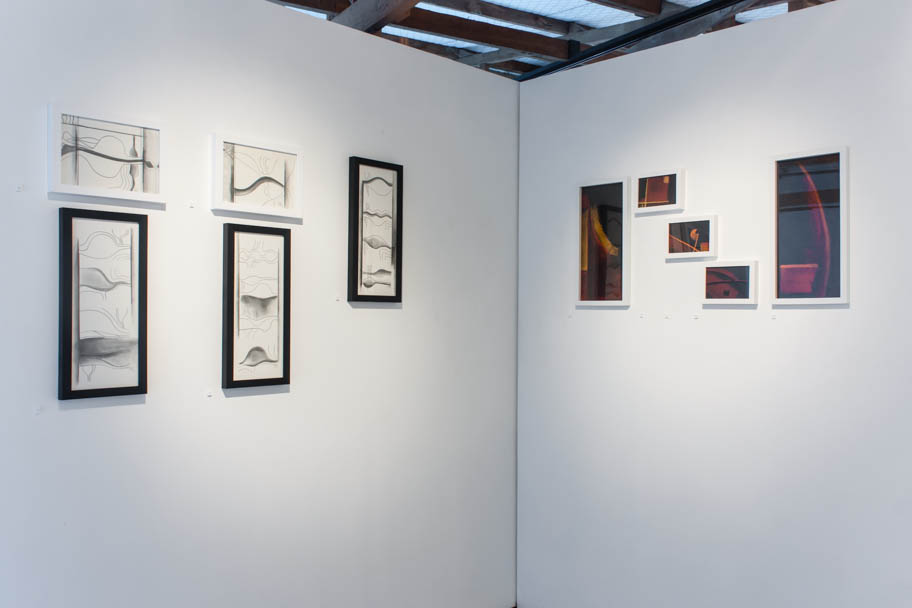
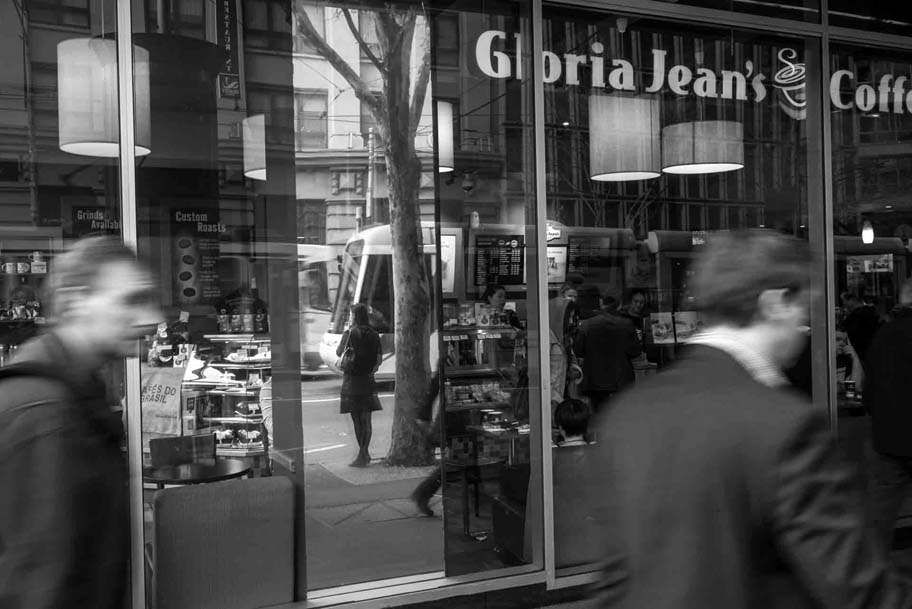
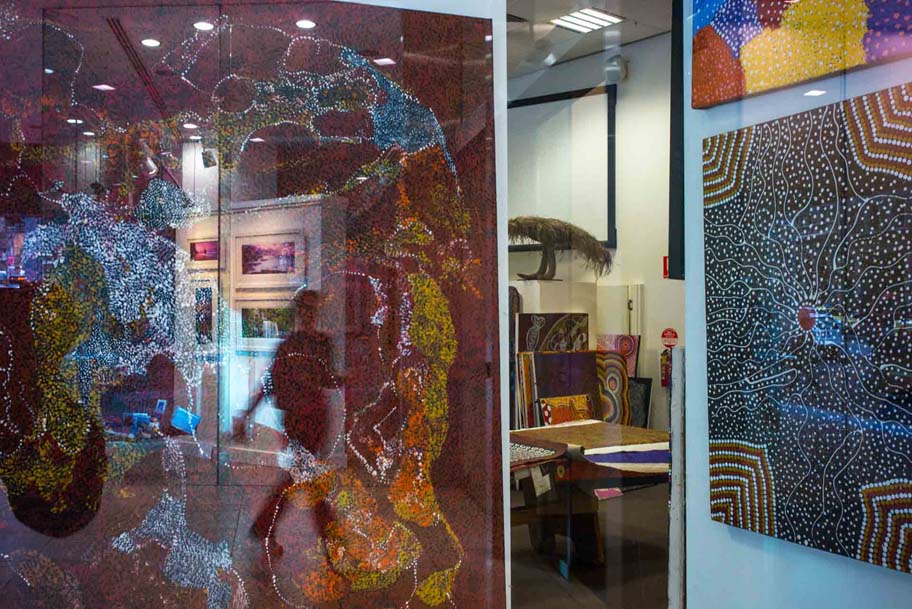
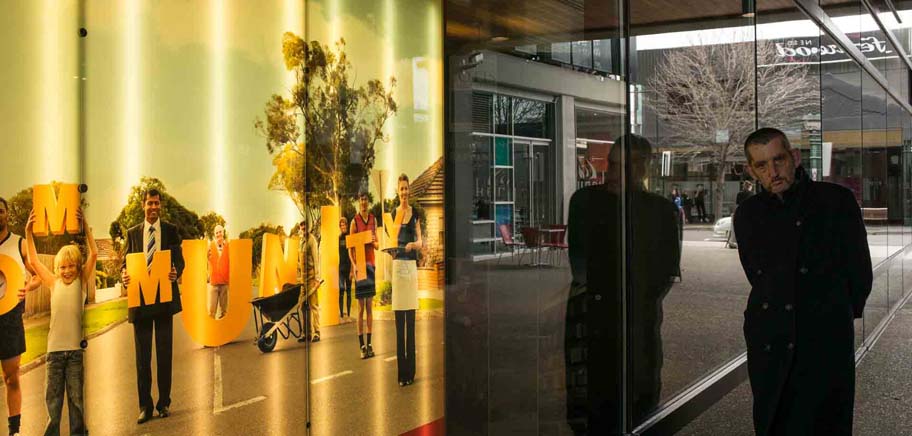
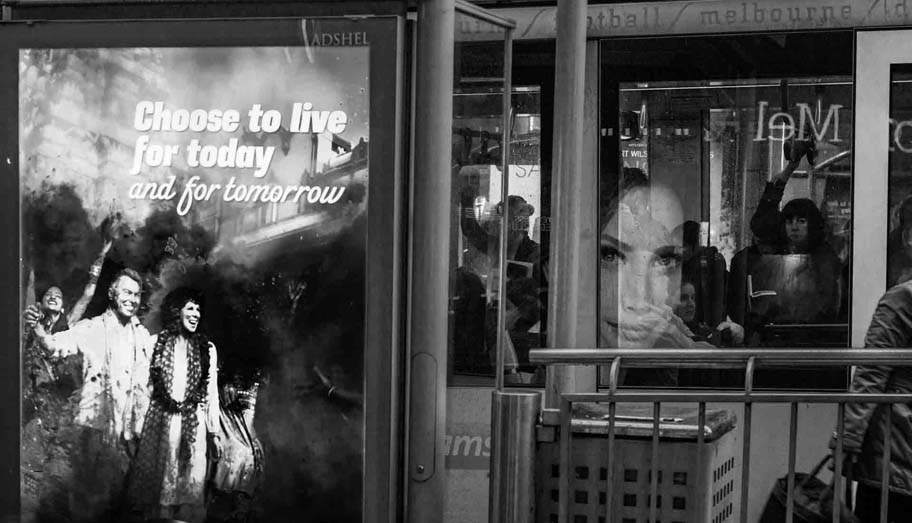
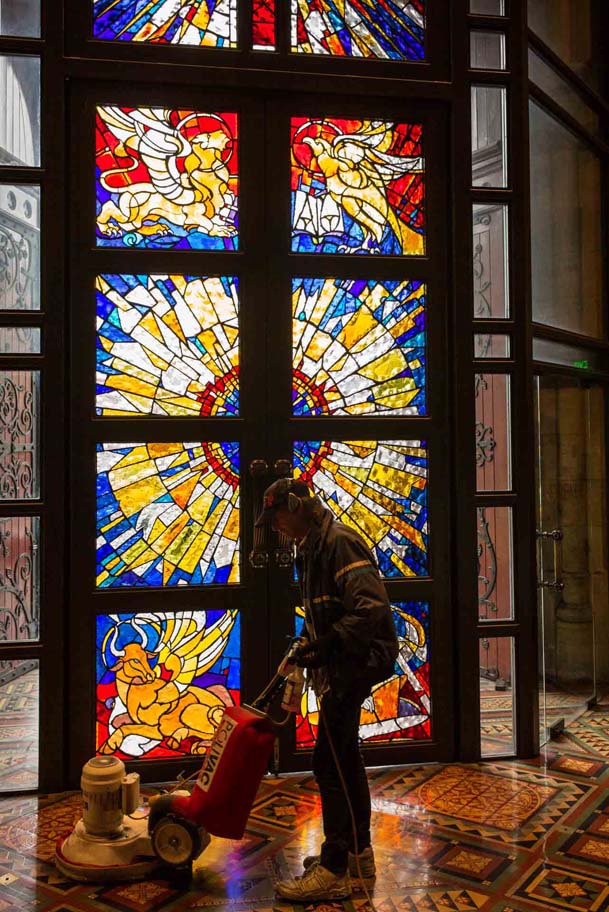
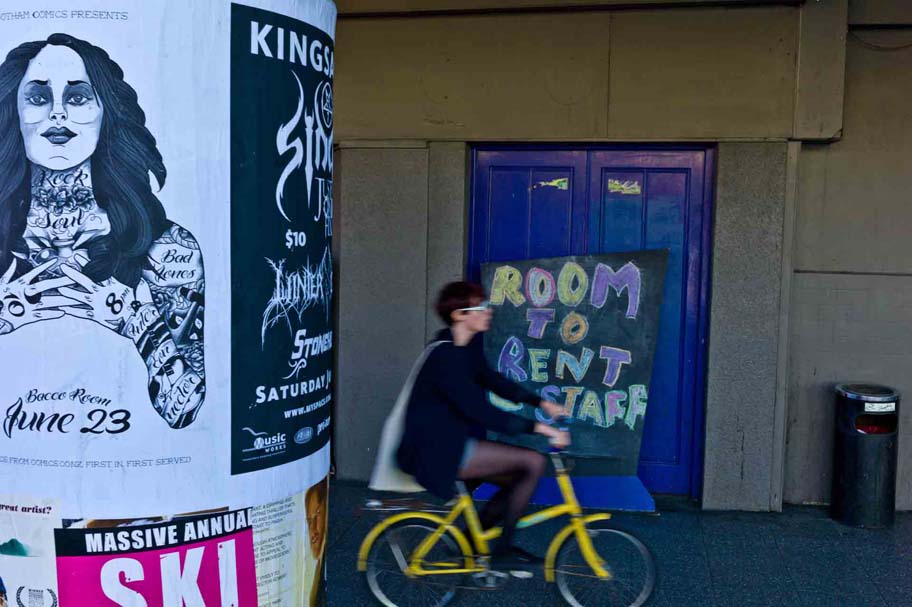
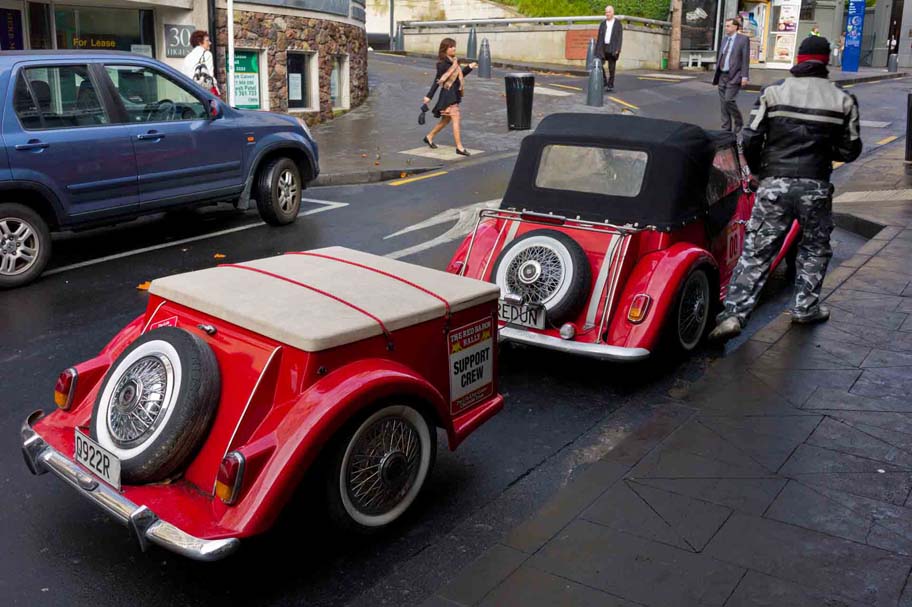
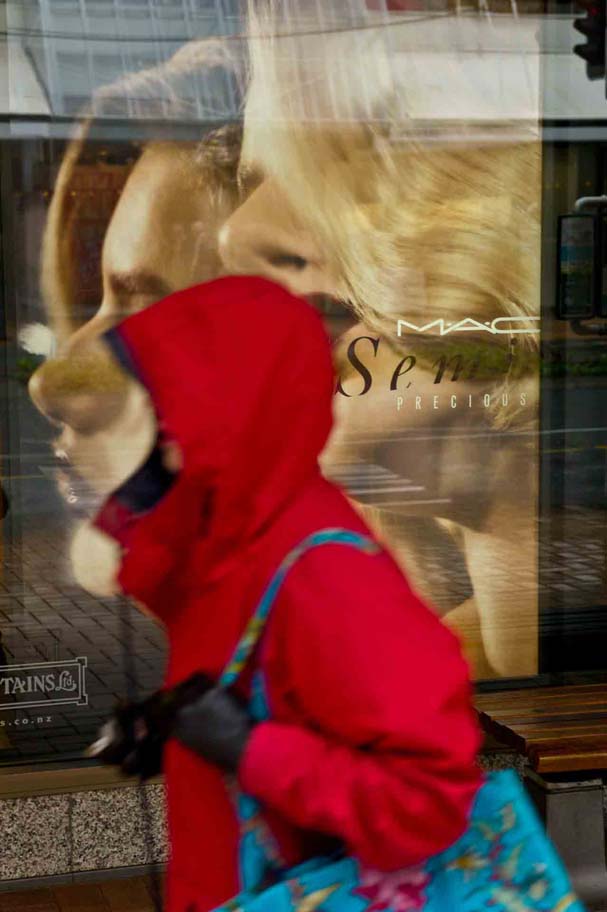
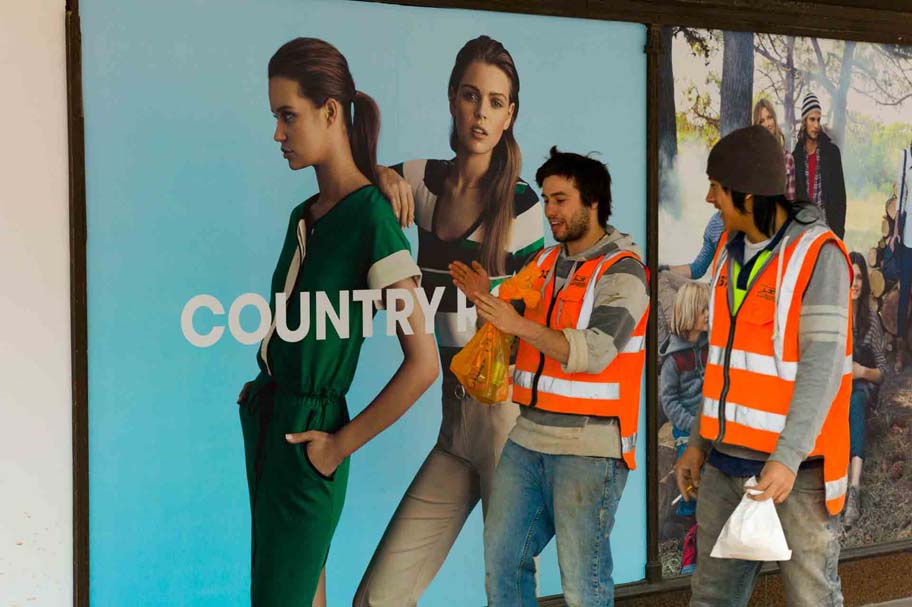
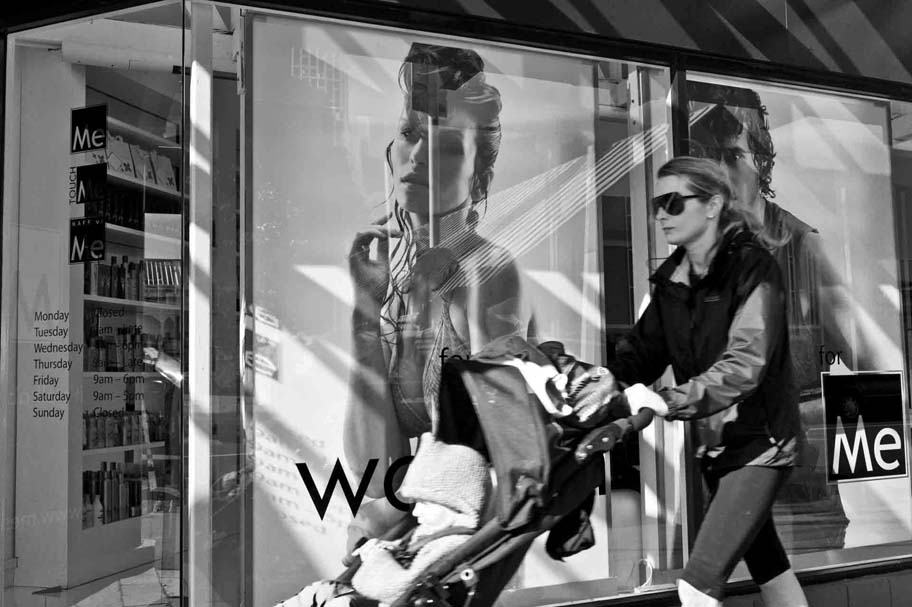
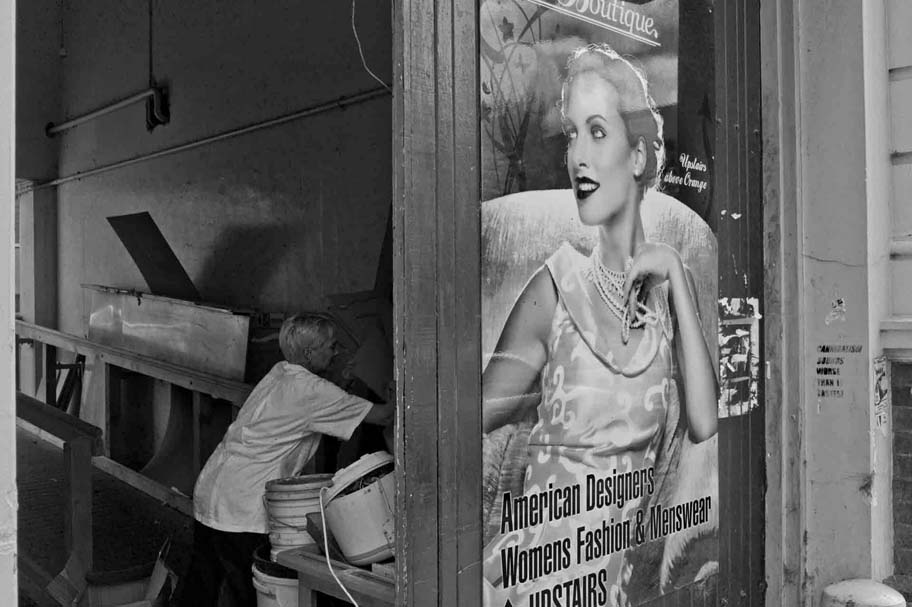
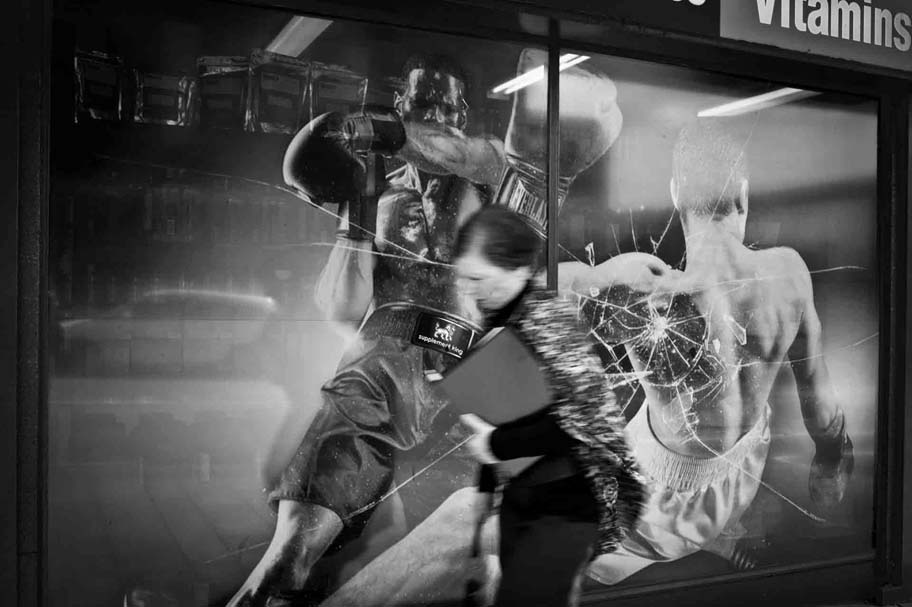
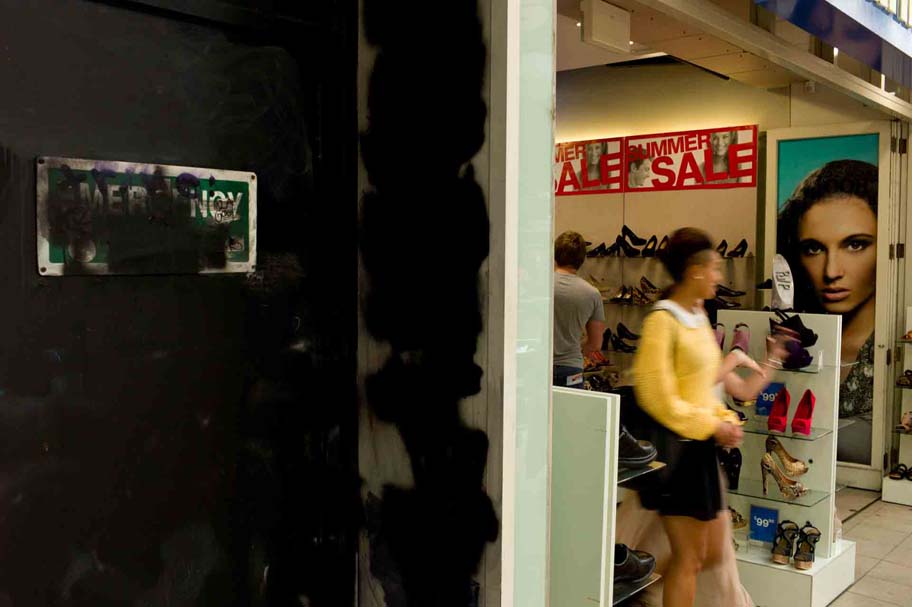
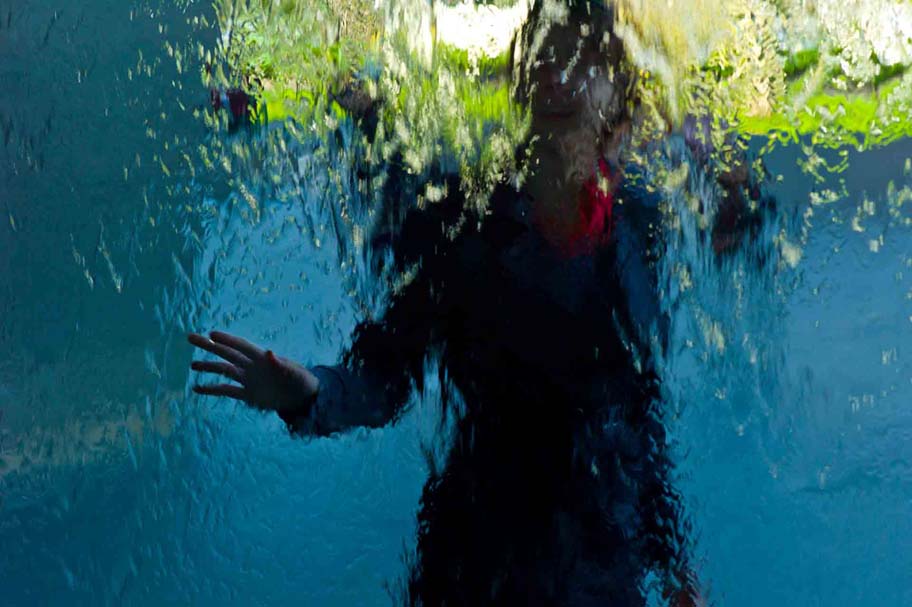
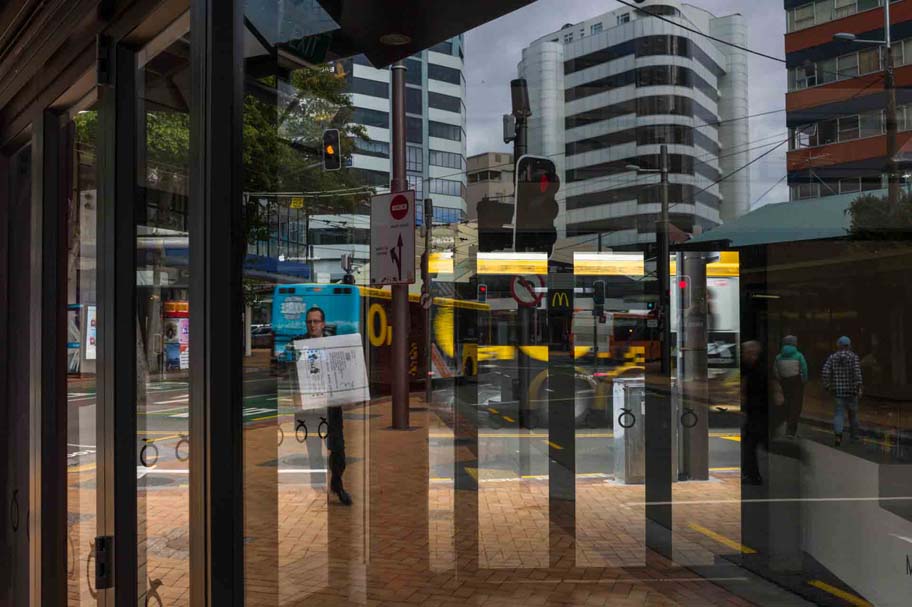
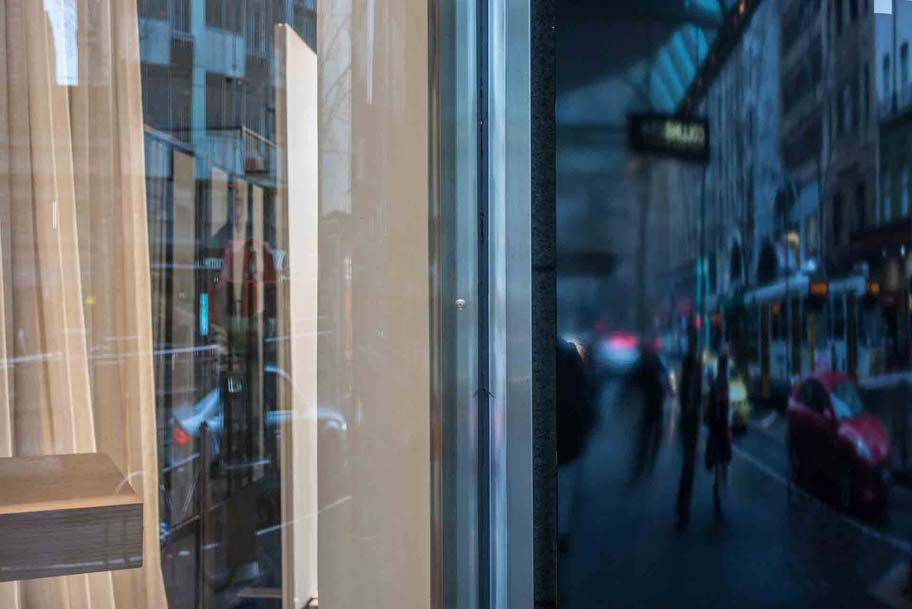
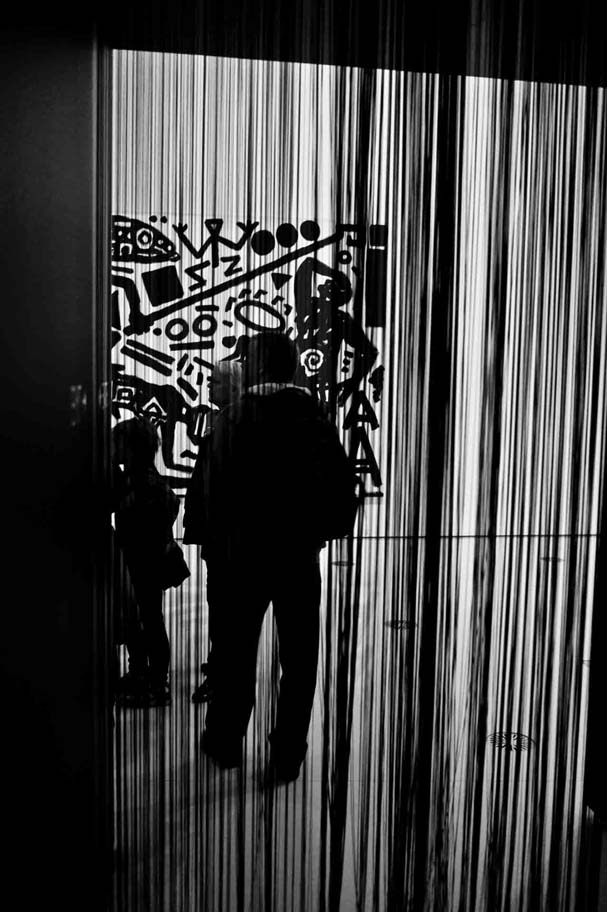
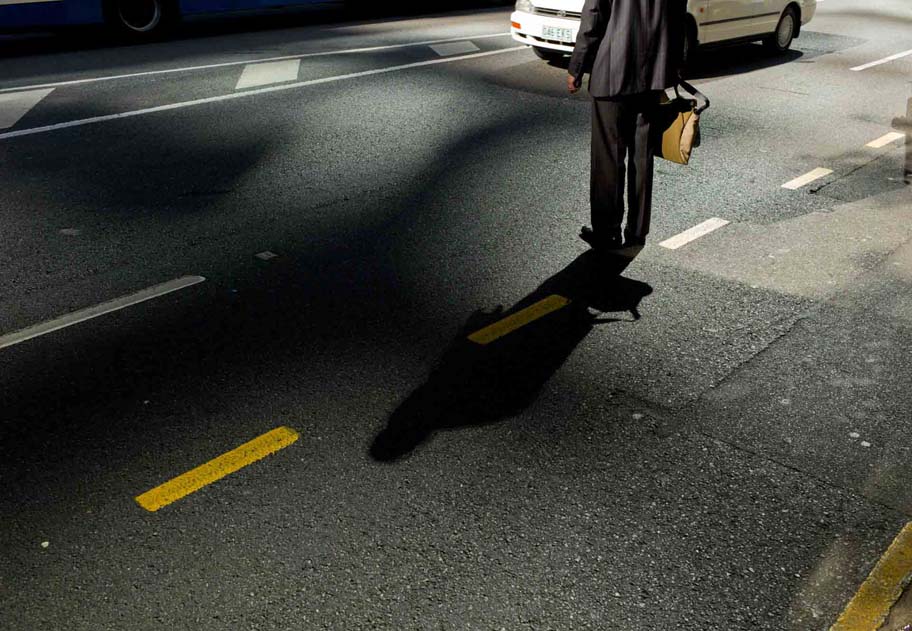
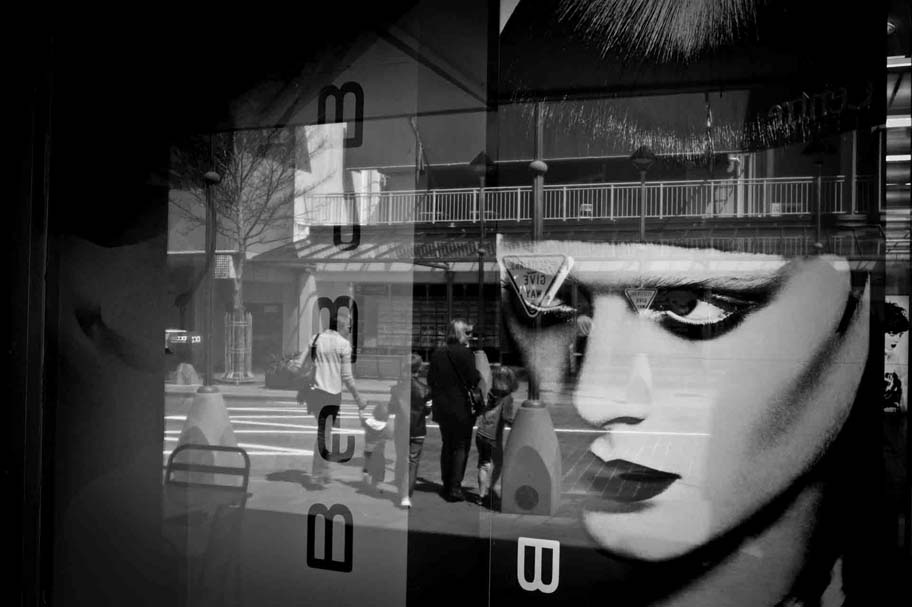
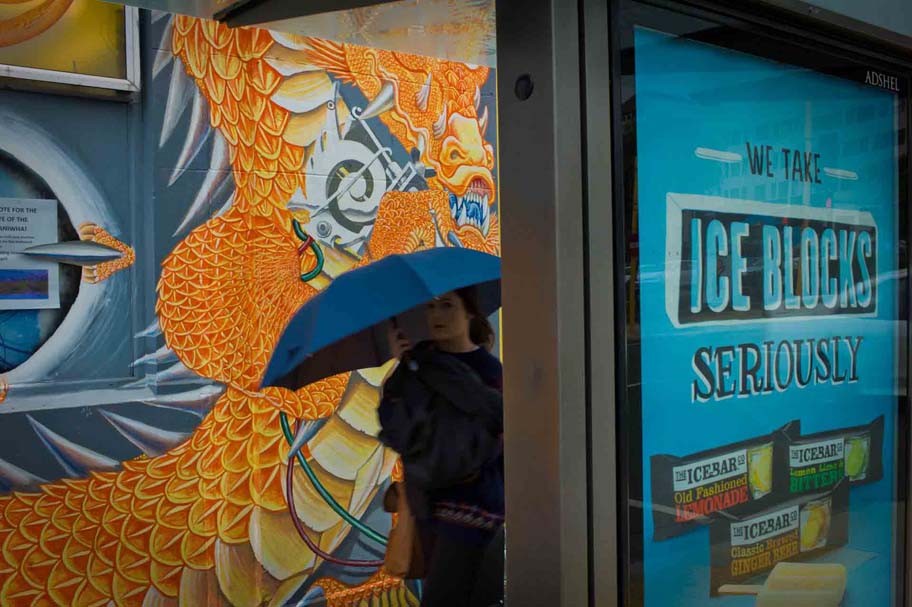
Denis Friar’s work exists between blinks, in the transitory moments we all share on the street. Yes we do see them, those absurd juxtapositions and barely revealed social relations, occasionally breaking the surfaces of what we thought we saw and who we think we are. They pass by so quickly that our conversation of them is restrained by memory and the need for some shared recognition with those similarly attuned.

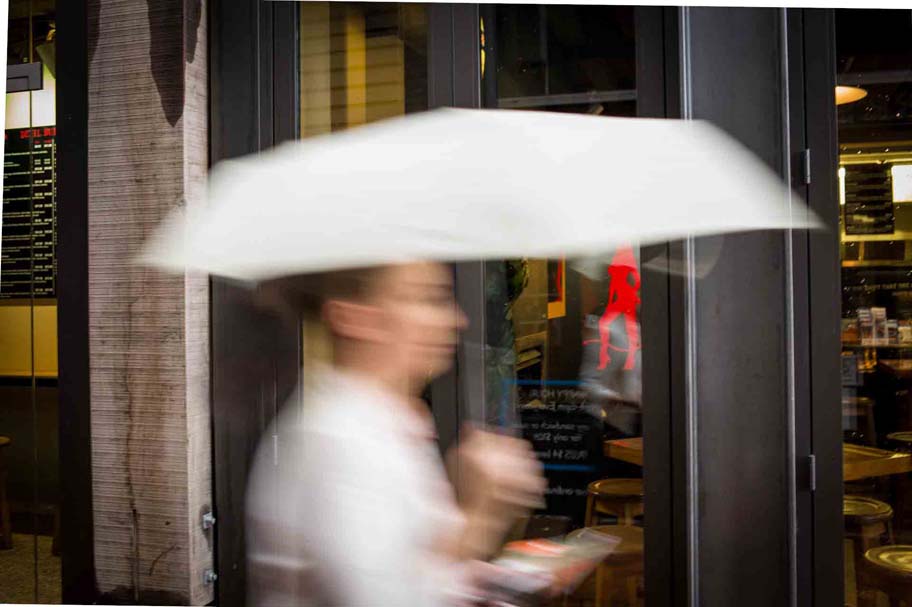
Such experiences are rarely documented beyond the staged, or are more commonly explored in the slowed down persistence of 25 frames per second. This too restrains the conversation, for video’s inability to expose light at anything other than some universal constant means that the perception of time is chopped up like some regulated clock. Rather than employing a machine vision to reveal unseen worlds as controlled measures of time and space, Friar uses social documentary practices of revealing through layers of happenstance and audience interpretation. His technique of combining the dissimilar with slow shutter speeds and a general aversion to revealing the specific identity of his subjects, means that his images are less ‘a slice of life’ and more like some theatrical intervention. As viewers we can now discuss amongst ourselves the fluidity of our urban socio-cultural identities, not in the usual realist modes of photography but in a painterly manner, or even in a performative sense where we can recognise our interconnecting worlds, and our subject positions within them.
Friar also helps our participation by avoiding major digital post-production. Not emphasising particular tones or colours might seem somewhat archaic in a digital era, but this strategy helps to disarm a more conventional authorial voice which might otherwise interfere with audience recognition. That Friar manages to elicit an acknowledgement of the blurred boundaries between the real and the unreal without the ambiguity of digital manipulation, is a testament to both his ability as an artist, and conversely a nod to the repositioning of his subjects within the relational imaginaries found in our own ideological landscapes. This is indeed a double vision as layers of intent and layers of interpretation inform each other, for Friar knows that representational identities are participatory processes, rather than anything that can be fixed to a frame and gazed at like a fly in amber.